
Understanding tree bark is crucial for firewood identification, especially during winter when leaves are absent; utilizing pictures and guides aids accurate tree identification․
Successfully identifying trees relies on experience, observing fresh bark, and utilizing resources like online keys and field guides for firewood needs․
Knowing tree types ensures efficient firewood selection, maximizing heat output, and preventing the spread of invasive species, as highlighted by the DNR․
Why Identify Tree Bark for Firewood?
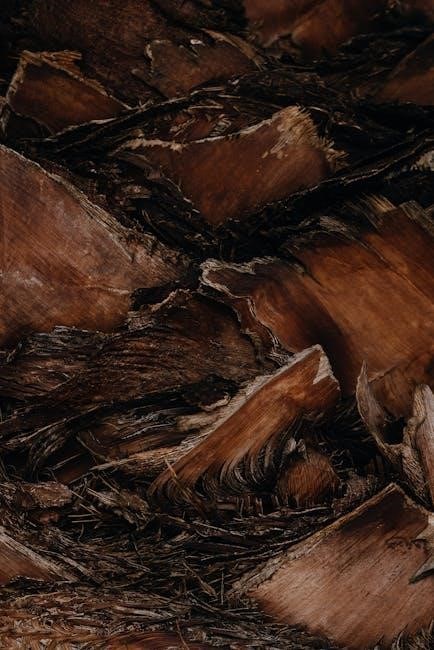
Accurate tree bark identification is paramount when sourcing firewood, particularly as leaves disappear during colder months, making traditional identification methods unreliable․ Knowing the tree species allows you to assess the wood’s heating properties – hardwoods like oak generally offer superior BTU output compared to softwoods․
Furthermore, proper identification helps prevent the spread of invasive pests and diseases․ The Michigan DNR emphasizes responsible firewood practices, urging users to know their wood source․ Utilizing identification guides and pictures ensures you aren’t transporting harmful organisms to new locations․

Ultimately, understanding tree bark empowers informed decisions, maximizing firewood efficiency and protecting our forests․ It’s a skill honed through experience, starting with positively identifying trees when foliage is present․
The Importance of Correct Tree Identification
Correct tree identification extends beyond simply knowing what you’re burning; it’s vital for ecological responsibility and efficient heating․ Misidentified firewood could harbor invasive species, posing a threat to local ecosystems, as highlighted by the Michigan DNR’s warnings․
Accurate identification, aided by identification guides and detailed pictures of tree bark, ensures you’re utilizing wood appropriate for your stove or fireplace․ Different wood densities and grain patterns impact burn rates and creosote buildup․
Building experience through consistent observation – noting bark characteristics alongside leaves – is key․ This skill is particularly valuable for seasoned firewood gatherers, allowing for informed choices and sustainable practices․

Key Characteristics of Tree Bark for Identification
Bark texture, color, and the presence of lenticels are primary features for tree identification, especially when using pictures and identification guides․
Bark Texture: Smooth, Rough, Furrowed, Scaly
Bark texture is a fundamental characteristic in tree identification, offering vital clues, particularly when combined with identification guides and pictures․ Smooth bark, like that of beech or cherry, feels almost polished, while rough bark, common in mature oaks, presents a deeply textured surface․
Furrowed bark exhibits long, vertical grooves, often seen in ash trees, and scaly bark, like that of some pines, flakes off in small, plate-like pieces․ Observing these textures, alongside pictures, aids in accurate firewood identification․ Variations even exist within species; younger trees often have smoother bark than older ones․ Recognizing these differences is key for successful tree identification․
Bark Color Variations
Bark color, while seemingly simple, provides crucial data for tree identification, especially when using identification guides and comparing with pictures․ Colors range dramatically – from the silvery-white of birch to the dark gray of ash, and the reddish-brown of cherry․ However, color isn’t always definitive․
Environmental factors and tree age influence bark hue․ Moisture levels can darken bark, and sun exposure can lighten it․ Some trees exhibit color variations even on the same trunk․ For accurate firewood identification, consider color in combination with texture and pattern․ Utilizing detailed pictures alongside field observation is essential for reliable results․
Lenticels and Their Role in Identification
Lenticels – those small, often diamond-shaped pores on bark – are vital clues in tree identification, particularly when using an identification guide with detailed pictures․ These structures facilitate gas exchange and contribute to unique bark patterns․
Their size, shape, and density vary significantly between species․ Birch bark, for example, often displays prominent, horizontal lenticels, while cherry bark features peeling horizontal lenticels․ Observing lenticel characteristics aids in distinguishing similar-looking trees, crucial for accurate firewood identification․
Careful examination of lenticels, alongside color and texture, enhances the reliability of your tree and firewood assessments․
Common Firewood Trees and Their Bark
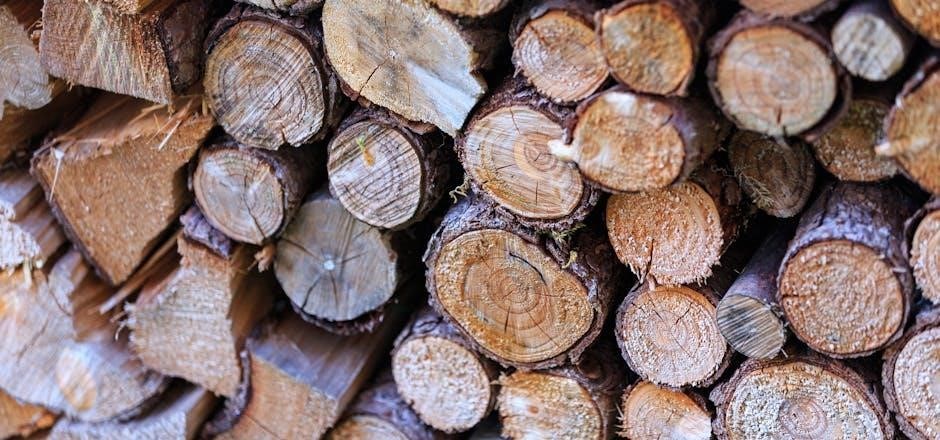
Identifying popular firewood trees – like oak, ash, maple, birch, and pine – relies on recognizing distinct bark characteristics using an identification guide and pictures․
Oak Tree Bark Identification
Oak trees (Quercus) are highly valued for firewood, boasting excellent heat output․ Identifying oaks begins with observing their robust, rough bark, a key feature for winter identification when leaves are absent․ However, differentiating between White Oak and Red Oak requires closer inspection․
White Oak bark tends to be lighter gray and often features scaly plates, sometimes peeling off in irregular patterns․ Conversely, Red Oak bark generally exhibits darker gray to nearly black coloration with prominent, vertical fissures and ridges․ Utilizing an identification guide with detailed pictures is invaluable for accurate tree identification․ Remember, rounded leaves with lobed margins further confirm oak species․
Experienced firewood gatherers often rely on bark characteristics, alongside leaf shape when available, for quick and reliable tree identification in the field․
White Oak vs․ Red Oak Bark Differences
Distinguishing between White Oak and Red Oak bark is vital for firewood users․ White Oak bark typically presents a lighter gray hue, often displaying scaly plates that may peel irregularly․ These plates create a somewhat blocky or flaky appearance․ In contrast, Red Oak bark is generally darker, ranging from gray to almost black, and characterized by prominent, vertical fissures and well-defined ridges․
An identification guide with clear pictures highlights these differences․ While both have rough textures, the scaling pattern of White Oak is notably different from the ridged bark of Red Oak․ Experienced individuals use these visual cues for quick tree identification, even without leaves․
Remember, accurate identification ensures optimal firewood selection and efficient burning․
Ash Tree Bark Identification
Ash tree bark is generally recognized as being relatively smooth and gray, particularly in younger trees․ As the tree matures, the bark develops a distinctive diamond-patterned texture, formed by interlacing ridges and fissures․ This pattern is a key feature for identification, even in winter when leaves are absent․
An effective identification guide utilizes pictures showcasing this diamond pattern․ The bark often appears somewhat loose and can be easily flaked off in small pieces․ This characteristic aids in confirming tree identification․
For firewood purposes, recognizing Ash is important due to its excellent burning qualities․ Proper identification ensures you’re utilizing a high-quality fuel source․
Maple Tree Bark Identification
Maple tree bark exhibits significant variation depending on the species and age of the tree․ Younger maples typically have smooth, gray bark, while older trees develop a more furrowed and textured appearance․ An identification guide should highlight these differences․
Pictures are essential for distinguishing between Sugar Maple and Red Maple․ Sugar Maple bark often features long, vertical ridges, while Red Maple bark tends to be smoother with more shallow fissures․ Observing these patterns is crucial for accurate tree identification․
For firewood, knowing your maple species is beneficial, as both provide good heat, though characteristics vary․
Sugar Maple vs․ Red Maple Bark
Distinguishing Sugar Maple from Red Maple bark requires close observation․ Sugar Maple generally displays long, unbroken vertical ridges, often appearing gray and somewhat plated with age․ An identification guide emphasizes this consistent ridging pattern․
Conversely, Red Maple bark is typically smoother, exhibiting shallow fissures and a more irregular texture․ Younger Red Maples can have very smooth, almost greenish-gray bark․ Pictures clearly illustrate these contrasting features․
For firewood purposes, both maples are excellent choices, but recognizing the difference aids in accurate tree identification and understanding wood properties․
Birch Tree Bark Identification
Birch trees are remarkably easy to identify due to their distinctive bark․ Most species, like Paper Birch, feature a bright white, papery bark that peels horizontally in thin layers․ An identification guide highlights this unique characteristic․
However, bark color can vary; some birch species exhibit yellowish or reddish hues․ Horizontal lenticels (small pores) are often visible on the bark surface, adding to its texture․ Pictures showcase these variations effectively․
For firewood, birch burns quickly with a pleasant aroma․ Accurate tree identification ensures you’re utilizing a sustainable source and understanding its burning properties․
Pine Tree Bark Identification
Pine tree bark varies significantly between species, but generally exhibits a scaly or plated appearance․ Older pines often have thick, deeply furrowed bark, while younger trees may display smoother, reddish-brown bark․ An identification guide emphasizes these differences․
Needle length and arrangement are also crucial for identification, complementing bark characteristics․ Pictures clearly illustrate the diverse textures and colors found in different pine species․ Look for resin pockets, common in many pines․
As firewood, pine burns quickly and produces significant heat, though it can create more creosote․ Proper tree identification is vital for safe and efficient firewood use․
Using Bark Patterns for Identification
Bark patterns, whether vertical, horizontal, or diamond-shaped, are key identification features; pictures in a guide help discern these markings for firewood sourcing․
Vertical vs․ Horizontal Bark Markings
Bark markings offer valuable clues for tree identification, particularly when leaves aren’t present․ Vertical markings often indicate faster growth or specific species characteristics, appearing as ridges or furrows running up the trunk․ Observing these patterns, alongside pictures in a reliable identification guide, is essential․
Conversely, horizontal markings, like lenticel bands or layered bark, suggest different growth patterns or species․ These can be subtle, requiring close examination and comparison with identification resources․ For firewood users, recognizing these distinctions aids in accurately identifying the wood source and its burning qualities․ Remember, consistent patterns are more reliable than isolated features․
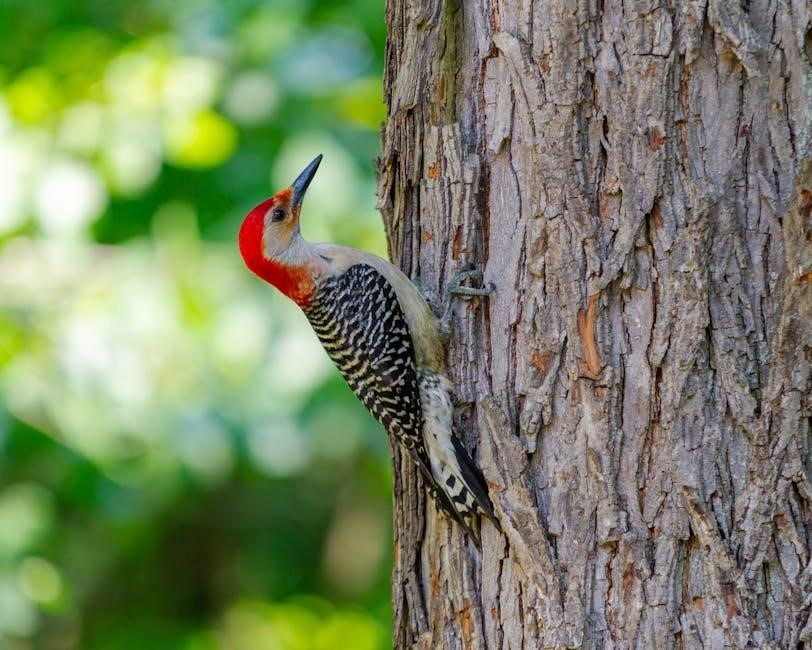
Utilizing a comprehensive guide with clear pictures is crucial for beginners, as variations exist even within the same species․
Diamond-Shaped Bark Patterns
Diamond-shaped bark patterns are a distinctive feature found in certain tree species, notably some members of the birch family․ These patterns form as the bark peels away in small, diamond-like sections, creating a visually unique texture․ A good identification guide with detailed pictures is invaluable for recognizing this characteristic․
When identifying firewood, the presence of these diamond shapes, even on fragmented bark, can strongly suggest a birch species․ However, it’s important to note that the prominence of the pattern can vary with the tree’s age and environmental conditions․ Careful observation and comparison with reliable resources are key․
Always cross-reference with other identification features for confirmation, ensuring accurate tree and firewood sourcing․
Firewood Characteristics Beyond Bark
Beyond bark, assess firewood by wood density, weight, and grain patterns; these traits, alongside pictures in an identification guide, confirm tree species․
Wood Density and Weight
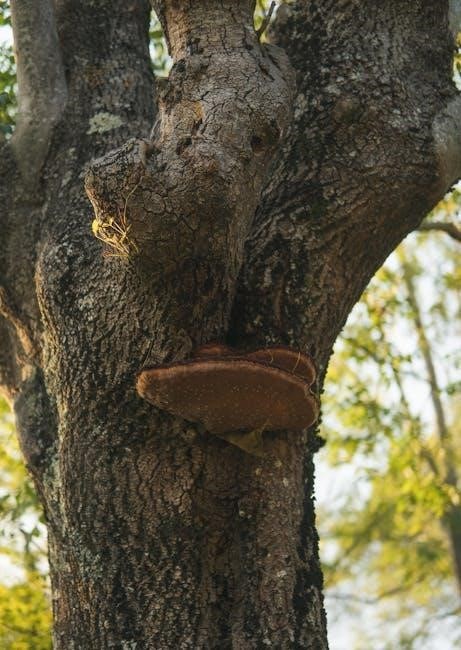
Wood density and weight are vital firewood characteristics, complementing bark identification with an identification guide and pictures․ Hardwoods, like oak, generally possess higher density, translating to greater weight and superior heat output compared to softwoods․
Experienced firewood users often prioritize “good hardwood” for its high BTU (British Thermal Units) value․ A heavier piece of wood, relative to its size, usually indicates denser wood and longer burn times․ However, weight alone isn’t definitive; consider grain patterns alongside bark and density for accurate tree identification․
Using an identification guide with pictures helps correlate weight with specific tree species, enhancing your ability to select optimal firewood․
Grain Patterns in Split Wood
Examining grain patterns in split wood provides another layer to firewood identification, supplementing bark analysis and utilizing an identification guide with helpful pictures․ Different tree species exhibit unique grain characteristics, ranging from straight and uniform to swirling or irregular․
Oak, for instance, often displays prominent, open grain, while maple may have tighter, more consistent patterns․ Observing these details, alongside wood density, aids in accurate tree identification, even when bark is absent or deteriorated․
A comprehensive identification guide featuring pictures of split wood grains empowers users to confidently determine firewood type and quality․
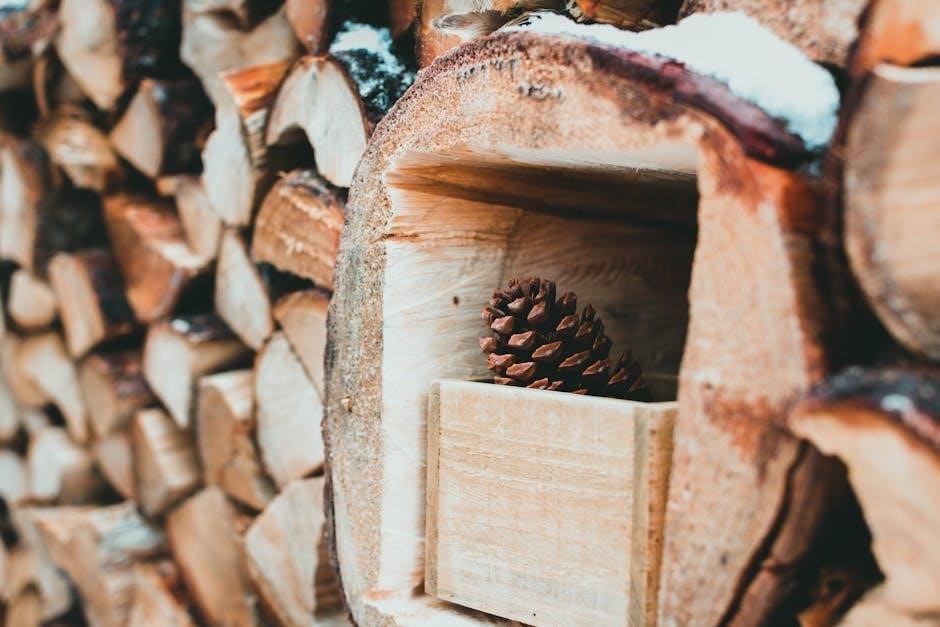
Resources for Tree and Firewood Identification
Online tree identification keys, field guides, and mobile apps offer valuable pictures for accurate tree bark and firewood identification, aiding your identification guide․
Online Tree Identification Keys
Numerous online resources provide interactive tree identification keys, often utilizing a series of questions about leaf shape, bark characteristics, and overall tree form․ These digital tools frequently include detailed pictures of bark patterns, aiding in accurate identification, even with limited experience․
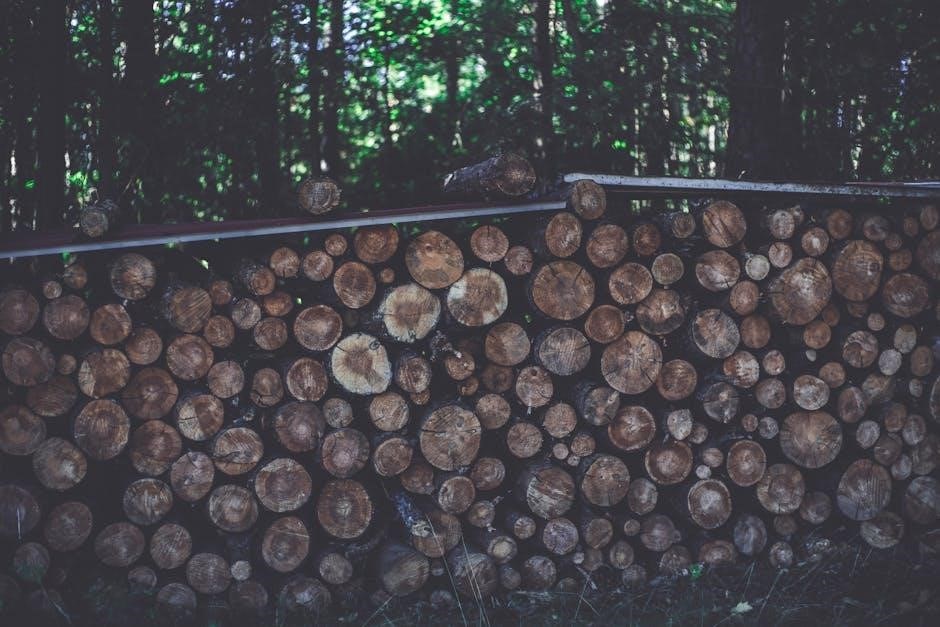
Several websites specialize in firewood identification, offering comparative pictures of split wood and bark textures․ These keys are particularly useful during winter months when leaves are absent, making bark the primary identification feature․ Utilizing these resources alongside a physical identification guide enhances accuracy․
Remember to cross-reference information from multiple sources and consider regional variations when using online keys․ The Michigan DNR also provides resources, emphasizing responsible firewood use and preventing invasive species spread․
Field Guides and Mobile Apps
Traditional field guides remain invaluable tools for tree identification, offering detailed descriptions and pictures of bark, leaves, and overall tree structure․ These guides often include range maps and information on firewood qualities, aiding in responsible firewood selection․
Complementing field guides, numerous mobile apps now provide tree identification capabilities using image recognition technology․ Users can simply photograph a tree’s bark or leaf, and the app will suggest potential matches, often with accompanying pictures and descriptions․
These apps are particularly useful in the field, offering instant identification assistance․ Combining the detailed information from a physical identification guide with the convenience of a mobile app provides a comprehensive approach to tree and firewood recognition․