

The 1966 Chevrolet Chevelle SS quickly became a muscle car icon‚ offering a blend of style and performance. Factory manuals‚
reprints‚ and owner’s guides detail its features‚
covering everything from fluid checks to intricate wiring diagrams.
These resources‚ including the 52-page owner’s manual‚ provide essential information for owners and restorers alike.
They encompass safety checks‚ fuse replacement‚ and detailed maintenance schedules for all 1966 Chevelle models.
From the Series 300 to the El Camino and Super Sport‚ these manuals are invaluable for understanding and preserving this classic vehicle;
Overview of the Model Year
The 1966 model year marked a pivotal moment for the Chevrolet Chevelle SS‚ establishing it as a formidable competitor in the burgeoning muscle car market. Offered in a variety of body styles – including coupes‚ convertibles‚ and the adventurous El Camino – the Chevelle SS catered to a broad spectrum of enthusiasts.
This year saw significant attention to detail in the SS package‚ enhancing both its aesthetic appeal and performance capabilities. Owners relied on factory assembly manuals and reprinted owner’s guides‚ approximately 52 pages in length‚ for crucial information. These resources detailed everything from routine fluid level checks to complex electrical system troubleshooting.
The availability of detailed wiring diagrams and torque specifications within these manuals proved invaluable for both maintenance and restoration efforts. The 1966 Chevelle SS wasn’t just a car; it was a project‚ and these guides were the essential companion for those seeking to understand and maintain its legacy.
Significance of the 1966 Chevelle SS
The 1966 Chevrolet Chevelle SS holds a significant place in automotive history as a defining muscle car of its era. It successfully blended performance with affordability‚ making it accessible to a wider audience than many of its competitors. Detailed owner’s manuals‚ often reprinted today‚ served as vital resources for understanding and maintaining these vehicles.
The SS package elevated the standard Chevelle‚ offering a distinct visual presence and enhanced mechanical components. These manuals‚ including those covering the El Camino variant‚ provided crucial guidance on everything from fuse replacement to interpreting complex wiring diagrams.
The availability of factory assembly manuals and comprehensive owner’s guides – around 52 pages – ensured that owners could confidently perform maintenance and repairs. This accessibility contributed to the Chevelle SS’s enduring popularity and its continued presence in the classic car community‚ solidifying its iconic status.
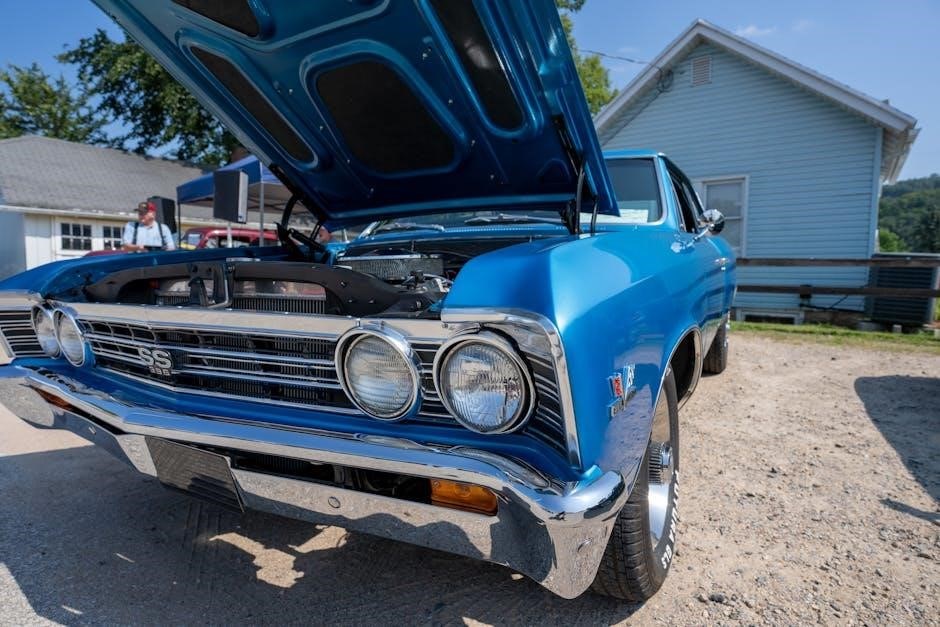
Technical Specifications
Detailed manuals outline the 1966 Chevelle SS’s engine options‚ transmissions‚ and suspension. Lubrication charts‚ torque specs‚ and adjustment references are included.
These resources cover all models‚ from the base 300 to the high-performance SS and El Camino variants.
Engine Options and Performance
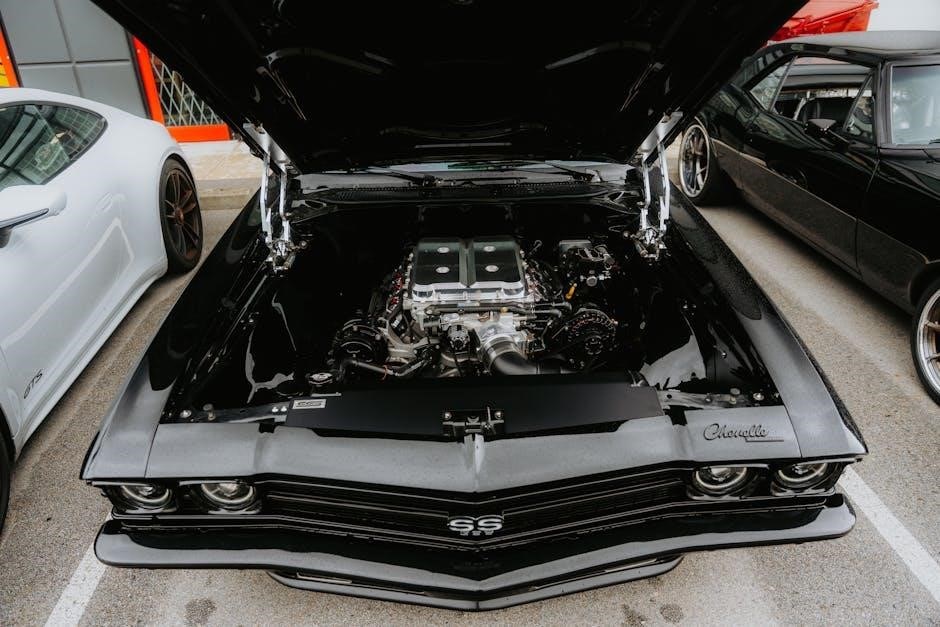
The 1966 Chevelle SS offered a diverse range of engine choices‚ catering to various performance desires. Standard power came from a 283 cubic inch V8‚ but the true excitement began with optional upgrades.
Buyers could select a 327 cubic inch V8 in multiple states of tune‚ ranging from 220 horsepower to a potent 350 horsepower. For those seeking ultimate performance‚ the legendary 396 cubic inch V8 was available‚ delivering an impressive 325 or 375 horsepower.
Factory documentation‚ like the assembly manual‚ provides engine specifications and adjustment references crucial for maintaining optimal performance. These resources detail proper tuning procedures and lubrication requirements‚ ensuring the engine delivers its intended power output. Understanding these specifications is vital for both restoration and ongoing maintenance‚ allowing owners to experience the Chevelle SS’s thrilling acceleration and robust power.
Transmission Choices
The 1966 Chevelle SS provided buyers with a selection of transmission options to complement its powerful engine lineup. A standard three-speed manual transmission was offered‚ providing a direct connection to the engine. However‚ for enhanced driving experience‚ several alternatives were available.
A four-speed manual transmission was a popular choice among enthusiasts‚ offering precise control and a more engaging driving feel. For those prioritizing comfort and convenience‚ a two-speed Powerglide automatic transmission was available. A three-speed Turbo-Hydramatic automatic was also offered‚ providing smoother shifts and improved performance.
Factory manuals and owner’s guides detail the specific adjustments and maintenance procedures for each transmission type. These resources cover fluid level checks‚ band adjustments (for automatics)‚ and linkage adjustments‚ ensuring smooth and reliable operation. Proper maintenance‚ as outlined in these documents‚ is crucial for maximizing the lifespan and performance of the chosen transmission.
Suspension and Handling
The 1966 Chevelle SS featured a robust suspension system designed to handle its potent engine options and deliver a comfortable ride. It utilized a traditional independent front suspension with coil springs and a solid rear axle with leaf springs. This setup provided a balance between handling and ride quality‚ suitable for both cruising and spirited driving.
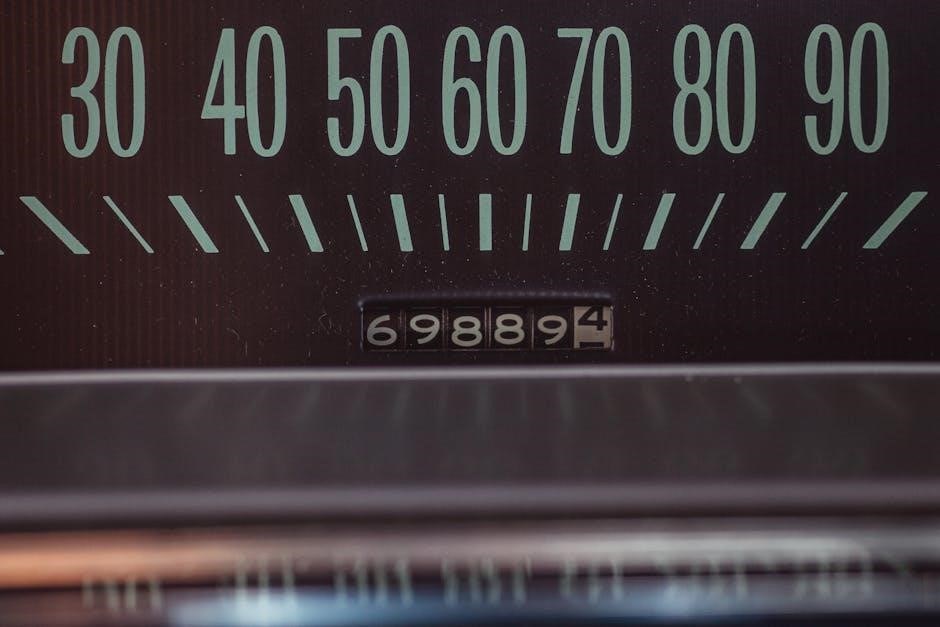
Factory assembly manuals and owner’s guides offer detailed instructions on suspension component inspection and adjustment. These resources cover procedures for checking and adjusting the front wheel alignment‚ rear axle alignment‚ and shock absorber condition. Proper alignment is critical for tire wear and handling performance.

Lubrication specifications and charts‚ found within these manuals‚ detail the correct greasing points for suspension components. Maintaining proper lubrication ensures smooth operation and prevents premature wear. Understanding these procedures‚ as outlined in the original documentation‚ is vital for preserving the Chevelle SS’s handling characteristics.
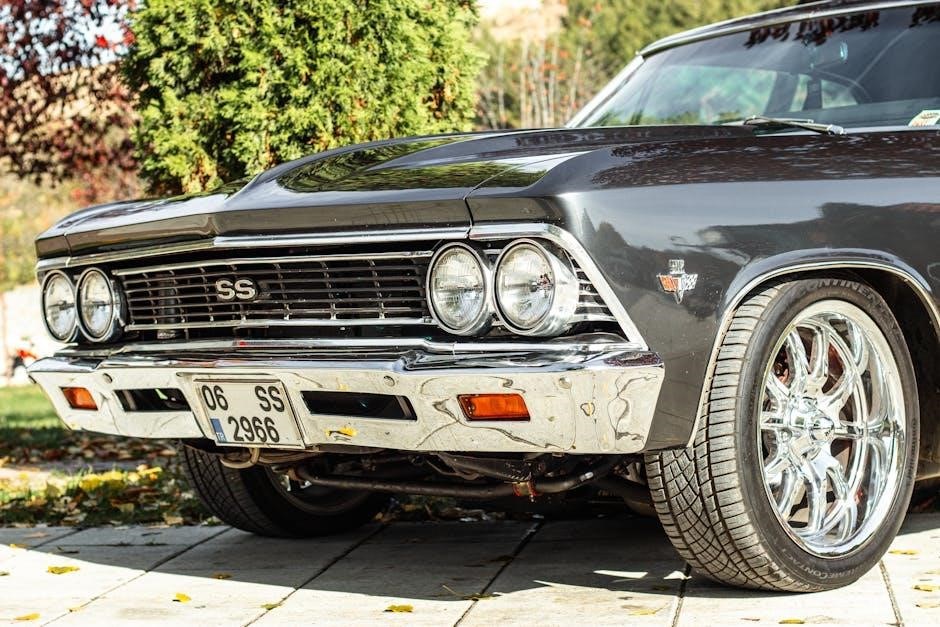
Interior Features
The 1966 Chevelle SS interior offered a driver-focused experience. Owner’s manuals detail instrument operation‚ safety checks‚ and fuse locations for optimal functionality.
These guides cover controls‚ tire pressure‚ and fluid levels. They ensure a comfortable and safe driving environment within this iconic muscle car.
Dashboard and Instrument Panel
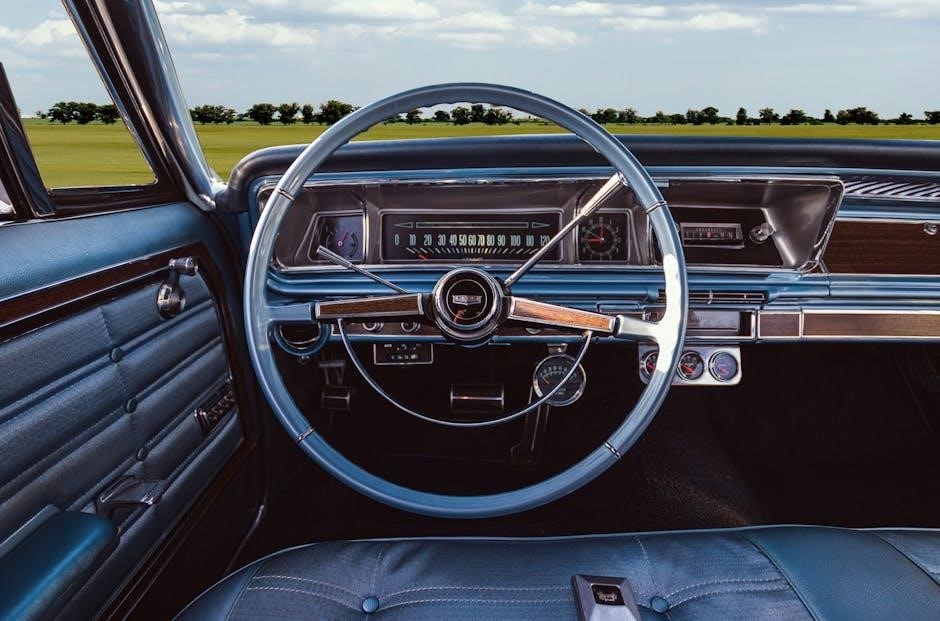
The 1966 Chevelle SS dashboard presented a functional and stylish layout. Factory-authorized reproduction owner’s manuals meticulously detail each instrument’s operation‚ ensuring drivers understand vital vehicle information at a glance.
Key indicators included the speedometer‚ fuel gauge‚ temperature gauge‚ and ammeter. These manuals provide instructions for interpreting readings and recognizing potential issues. Understanding the instrument panel is crucial for safe operation and preventative maintenance.
The manuals also cover checking and replacing fuses‚ directly impacting instrument panel functionality. Proper fuse replacement‚ as outlined in the 52-page guide‚ prevents electrical faults and ensures accurate readings. Familiarizing oneself with the dashboard layout and instrument operation is paramount for any 1966 Chevelle SS owner or enthusiast‚ enhancing the driving experience and preserving the vehicle’s integrity.
Seating and Upholstery
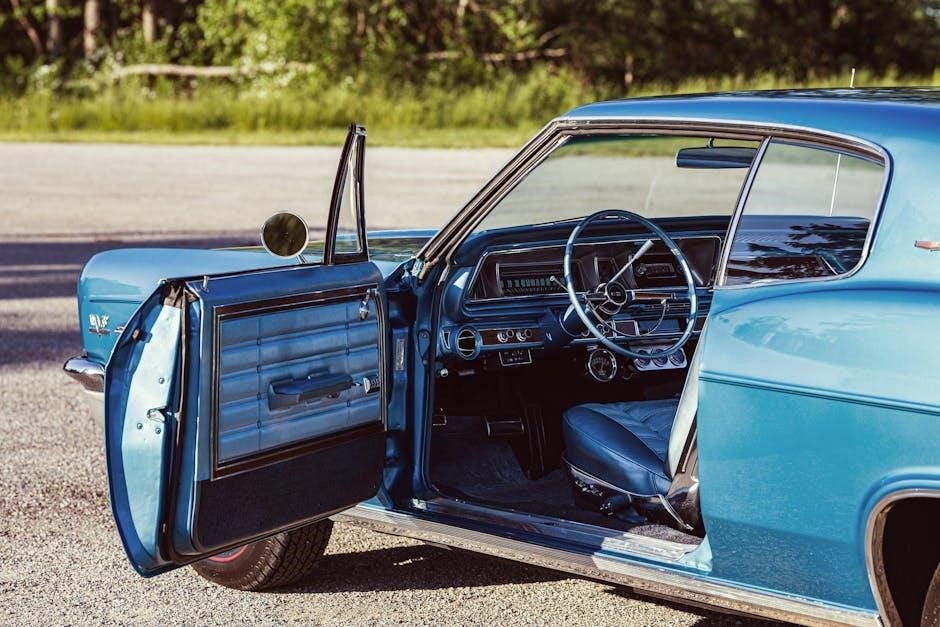
The 1966 Chevelle SS offered a range of seating and upholstery options‚ reflecting its blend of performance and comfort. Original owner’s manuals provide guidance on maintaining the interior’s appearance and condition‚ crucial for preserving the vehicle’s value.
Available materials included vinyl and cloth‚ with various color schemes to complement the exterior paint. These manuals detail proper cleaning procedures for each material‚ preventing damage and ensuring longevity. Understanding the upholstery’s composition is key to selecting appropriate cleaning agents.
The 52-page reproduction manual offers insights into potential wear and tear‚ and suggests preventative measures. Maintaining the seating and upholstery contributes significantly to the overall aesthetic and driving experience of the classic Chevelle SS. Careful attention to these details ensures a well-preserved and enjoyable interior for years to come.
Available Options (e.g.‚ Radio‚ Air Conditioning)
The 1966 Chevelle SS boasted a variety of optional features enhancing comfort and convenience. Factory assembly and owner’s manuals meticulously document these additions‚ proving invaluable for restoration and troubleshooting.
Popular options included air conditioning‚ a factory-installed radio‚ and upgraded sound systems. These manuals often contain wiring diagrams specific to each option‚ aiding in repairs or upgrades. Understanding the original configuration is vital for maintaining authenticity.
The reprinted owner’s manual‚ approximately 52 pages in length‚ details the operation and maintenance of these accessories. It provides guidance on fuse locations related to these systems and basic troubleshooting steps. Proper care of these options ensures they function optimally‚ adding to the enjoyment of this classic muscle car.
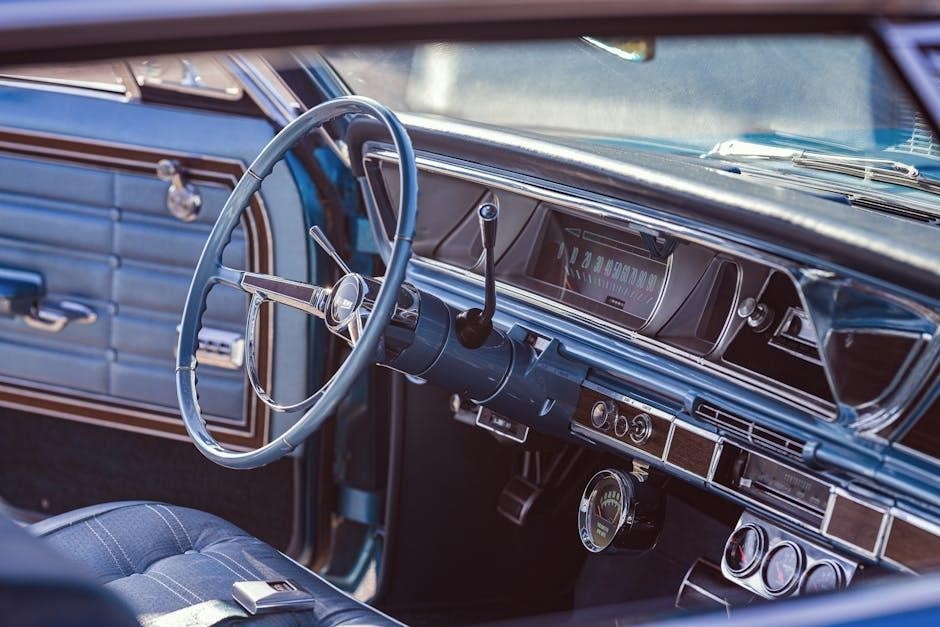
Exterior Details
The 1966 Chevelle SS offered diverse body styles—coupe‚ convertible‚ and El Camino—each with unique SS package enhancements. Original paint codes and color options are documented.
Factory manuals detail exterior trim‚ badging‚ and specific SS identifiers. These resources are crucial for accurate restoration‚ ensuring a period-correct appearance.
Body Styles (e.g.‚ Coupe‚ Convertible‚ El Camino)
The 1966 Chevrolet Chevelle SS was available in a variety of body styles‚ catering to diverse preferences. The classic two-door coupe‚ with its sporty roofline‚ was a popular choice‚ offering a balance of style and practicality.
For open-air driving enthusiasts‚ the convertible provided an exhilarating experience. The El Camino‚ a unique blend of car and truck‚ appealed to those seeking utility and performance. Station wagon models were also available.
Factory assembly manuals and owner’s guides detail specific trim and feature variations for each body style. These resources are invaluable for restorers aiming for authenticity‚ outlining differences in exterior moldings‚ glass configurations‚ and structural components. Understanding these nuances ensures a faithful recreation of the original vehicle.
Whether opting for the sleek coupe‚ the breezy convertible‚ or the versatile El Camino‚ the 1966 Chevelle SS offered a compelling combination of muscle car aesthetics and functional design.
SS Package Specifics
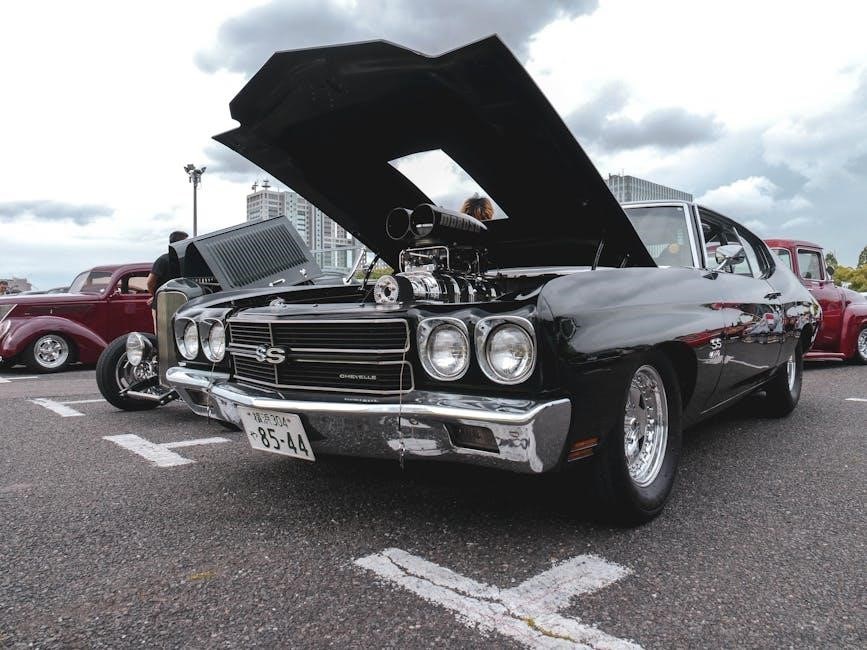
The 1966 Chevrolet Chevelle SS package elevated the standard Chevelle with a host of performance and aesthetic enhancements. This included distinctive brightwork‚ such as simulated air scoops on the hood and special SS emblems adorning the exterior.
Inside‚ the SS package featured a unique instrument panel and upgraded interior trim. Performance upgrades were central‚ often including a more powerful engine option and a heavy-duty suspension. Detailed specifications are found within factory assembly manuals.
Owners’ manuals outline the specific features included in the SS package‚ aiding in identification and restoration. These resources clarify the differences between a standard Chevelle and its high-performance SS counterpart‚ covering everything from engine calibrations to unique wheel options.
The SS package transformed the Chevelle into a true muscle car‚ offering a thrilling driving experience and a bold visual statement.
Paint Codes and Color Options
Identifying the original color of a 1966 Chevrolet Chevelle SS relies on deciphering the paint code typically found on the car’s trim tag. These codes‚ often a combination of letters and numbers‚ correspond to specific colors offered by Chevrolet that model year.
Factory documentation‚ including assembly manuals and owner’s guides‚ provide comprehensive lists of available colors and their corresponding paint codes. Popular options included vibrant shades of red‚ blue‚ and green‚ alongside more subdued tones.
Accurate color restoration requires referencing these original codes to ensure authenticity. Modern paint suppliers can often mix paint to match these vintage codes‚ allowing for a faithful reproduction of the car’s original finish.
Understanding the paint code is crucial for maintaining the historical accuracy and value of a 1966 Chevelle SS.
Maintenance and Repair
Regular maintenance‚ detailed in the owner’s manual‚ is vital. This includes checking fluid levels‚ replacing fuses‚ and adhering to the maintenance schedule for optimal performance.
Fluid Levels and Checks
Maintaining correct fluid levels is crucial for the 1966 Chevelle SS’s performance and longevity. The factory-authorized reproduction owner’s manual provides clear instructions for checking essential fluids. Regularly inspect engine oil‚ ensuring it’s at the appropriate level on the dipstick‚ and replenish as needed with the correct viscosity.
Coolant levels in the radiator and overflow tank should also be verified‚ adding a 50/50 mix of antifreeze and distilled water when low. Brake fluid in the master cylinder requires periodic checks‚ and power steering fluid levels must be maintained for smooth operation.
Transmission fluid‚ whether automatic or manual‚ needs attention. Check the levels according to the manual’s guidelines. Finally‚ don’t neglect the fuel level‚ and always use the recommended octane rating for optimal engine performance. Consistent fluid checks prevent costly repairs and ensure a reliable driving experience.
Fuse Replacement Guide
The 1966 Chevelle SS’s electrical system relies on a network of fuses to protect its components. The owner’s manual details the location of the fuse box‚ typically found under the dashboard. Before replacing a fuse‚ identify the circuit it protects – the manual provides a comprehensive fuse chart.
Always use a fuse with the correct amperage rating; using a higher amperage fuse can cause serious damage. Gently remove the blown fuse and insert a new one of the same type and rating. If a fuse repeatedly blows‚ it indicates a short circuit that requires professional attention.
Carefully inspect the wiring for damage before replacing the fuse. This simple procedure‚ outlined in the factory documentation‚ can restore functionality to lights‚ radio‚ or other electrical accessories‚ ensuring safe and reliable operation of your classic Chevelle.
Torque Specifications
Proper torque specifications are crucial during reassembly of the 1966 Chevelle SS to ensure component reliability and prevent damage. Factory assembly manuals and repair guides provide detailed torque values for various fasteners‚ including engine components‚ suspension parts‚ and body hardware.
These specifications are often listed in foot-pounds (ft-lbs) or inch-pounds (in-lbs). Using a calibrated torque wrench is essential for accurate tightening. Over-tightening can strip threads or warp components‚ while under-tightening can lead to loosening and failure.
Handwritten revision records within original manuals may contain updated torque values. Adhering to these specifications‚ as documented in the Chevrolet resources‚ guarantees optimal performance and longevity for your restored Chevelle SS.
Troubleshooting Common Issues
Owners’ manuals and repair guides offer troubleshooting tips for engine starting‚ electrical faults‚ and braking concerns. These resources aid in diagnosing and resolving typical 1966 Chevelle SS problems.
Engine Starting Problems
Addressing starting issues in a 1966 Chevelle SS often begins with the basics‚ as outlined in factory manuals. First‚ verify the battery has a full charge and connections are clean and tight. Check the ignition system‚ including the points‚ condenser‚ distributor cap‚ and rotor for wear or damage.
Fuel delivery is crucial; ensure the fuel tank isn’t empty and the fuel line isn’t blocked. A clogged fuel filter can also prevent starting. Inspect the starter solenoid and starter motor itself for proper function. Refer to wiring diagrams to confirm correct connections and identify potential shorts.
If the engine cranks but doesn’t fire‚ suspect a lack of spark or fuel. Troubleshooting guides suggest checking for vacuum leaks‚ which can disrupt the air-fuel mixture. Remember to consult the owner’s manual for specific procedures and torque specifications when replacing components.
Electrical System Faults
Diagnosing electrical faults in a 1966 Chevelle SS requires a systematic approach‚ aided by factory wiring diagrams. Begin by checking the fuses‚ referencing the owner’s manual for their location and amperage ratings. Faulty grounds are a common issue; ensure all ground straps are clean and securely attached to the chassis.
Inspect wiring for damage‚ such as frayed insulation or corroded connections. Use a test light or multimeter to verify voltage at various points in the circuit. Troubleshooting guides highlight common problems with the ignition switch‚ headlights‚ and turn signals.
If accessories aren’t functioning‚ check the corresponding circuit breaker or fuse. Remember that aftermarket modifications can sometimes introduce electrical conflicts. Detailed manuals provide valuable insight into the original wiring layout and component locations‚ simplifying the repair process.
Braking System Concerns
Maintaining the braking system of a 1966 Chevelle SS is crucial for safety. Common concerns include soft pedal feel‚ pulling to one side‚ and unusual noises. Begin by inspecting brake lines and hoses for leaks or damage‚ replacing them as needed. Check the brake fluid level and condition‚ ensuring it’s at the proper level and free of contamination.
Inspect brake pads or shoes for wear‚ and adjust them accordingly. If the brakes are grabbing or dragging‚ it could indicate a sticking caliper or wheel cylinder. Factory service manuals provide detailed procedures for brake adjustment and component replacement.
Bleeding the brake lines is essential after any brake work to remove air bubbles. Always use the correct brake fluid specified in the owner’s manual. Regular inspection and maintenance will ensure optimal braking performance and prevent potential hazards.
Resources and Documentation
Original factory assembly manuals‚ owner’s guides‚ and wiring diagrams are vital for restoration. These resources detail specifications‚
torque values‚ and revision records for the 1966 Chevelle SS.
Factory Assembly Manual Information
The 1966 Chevrolet Chevelle‚ Malibu‚ SS‚ and El Camino factory assembly manual is an indispensable resource for authentic restoration. These manuals‚ often available as reprints‚ provide a detailed‚ step-by-step guide to how the vehicle was originally constructed on the assembly line.
They include detailed illustrations and diagrams showcasing component placement‚ fastener types‚ and assembly sequences. Handwritten revision records within these manuals offer insights into engineering changes made during the production run‚ adding to their historical value.
Beyond the basic assembly process‚ these manuals often contain valuable information regarding accessory installation‚ wiring schematics‚ and torque specifications. Access to these documents ensures a high degree of accuracy when restoring a 1966 Chevelle SS‚ preserving its originality and value.
Owner’s Manual Details
The 1966 Chevrolet Chevelle owner’s manual‚ typically around 52 pages and measuring 8 x 5 inches‚ serves as a crucial guide for vehicle operation and maintenance. These factory-authorized reproduction manuals cover all 1966 Chevelle series‚ including the coveted SS‚ Malibu‚ and El Camino models.
Inside‚ owners will find detailed instructions on essential procedures like checking fluid levels (oil‚ coolant‚ brake fluid)‚ replacing fuses‚ and understanding the function of various instruments and controls. The manual also provides valuable information on tire pressure‚ driving tips‚ and a basic maintenance schedule.
Furthermore‚ it includes sections dedicated to passenger safety and troubleshooting common issues‚ offering a comprehensive resource for both new and experienced Chevelle owners. These manuals are often bound in a glovebox-friendly format for easy access.
Wiring Diagrams Availability
Access to accurate wiring diagrams is paramount for maintaining and restoring the 1966 Chevrolet Chevelle SS. Fortunately‚ these diagrams are often included within the comprehensive factory assembly manuals and service repair manuals available for this model year.
Several online resources‚ such as Chevy-Manuals.com‚ specialize in providing original factory documentation‚ including detailed wiring schematics. These diagrams illustrate the intricate network of electrical connections throughout the vehicle‚ aiding in troubleshooting faults and performing modifications.
Reprinted assembly manuals also frequently incorporate wiring diagrams‚ offering a convenient and cost-effective alternative to sourcing original materials. Handwritten revision records found within some manuals can provide further clarity on specific wiring configurations. Careful study of these diagrams is essential for any electrical work performed on a ’66 Chevelle.