
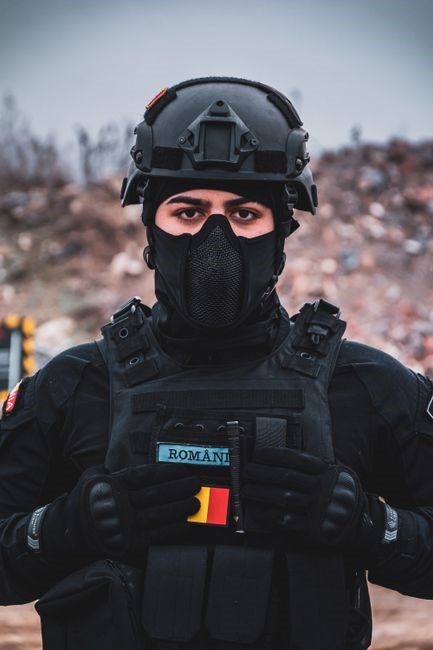
Our special forces workout plan PDF offers a comprehensive guide, featuring tailored drills, nutrition tips, and recovery protocols. It includes clear layout, printable templates, and essential metrics to track progress in strength, cardio, and agility. This PDF is essential for elite training.!
Purpose and Objectives
The purpose of the special forces workout plan PDF is to provide a structured, scalable training framework that aligns with the rigorous demands of elite military operations. It consolidates evidence‑based conditioning protocols, tactical skill drills, and recovery strategies into a single, portable resource. The objectives are threefold: first, to elevate baseline physical fitness—strength, endurance, agility—to levels that meet or exceed operational standards; second, to embed functional movement patterns that translate directly to combat scenarios, such as obstacle negotiation, load‑bearing marches, and rapid maneuvering under stress; third, to foster a culture of continuous improvement through measurable progress tracking, nutrition guidance, and mental resilience training. By integrating progressive overload, periodization, and real‑world simulation, the PDF equips trainees with the tools to adapt to dynamic environments while minimizing injury risk. The document serves as a reference for instructors, enabling consistent delivery across units facilitating peer‑reviewed adjustments based on mission feedback. Ultimately, the plan is designed to produce physically resilient, tactically proficient personnel capable of sustaining high‑intensity performance over extended operational windows.
The PDF’s modular design allows trainers to tailor intensity, volume, skill drills to match each operator’s unique fitness profile, ensuring prog overload protectingrecovery.!!!!!!!!
Key Physical Standards
Special forces training demands a precise benchmark of physical readiness that transcends conventional fitness metrics. The key physical standards outlined in the PDF reflect the rigorous criteria used by elite units worldwide. Candidates must achieve a 2‑mile run in under 12 minutes, a 1‑mile run in 6 minutes 30 seconds, and complete 50 push‑ups and 60 sit‑ups within a two‑minute window. Additional benchmarks include a 300‑meter sprint in under 12 seconds, a 2‑mile march carrying a 45‑pound pack in 30 minutes, and a 50‑meter obstacle course completed in less than 45 seconds. Upper‑body strength is verified through a 1‑minute plank hold exceeding 90 seconds, while lower‑body power is measured by a vertical jump of at least 24 inches. Core stability is assessed via a 3‑minute hollow‑body hold. These standards are not arbitrary; they are calibrated to ensure operators possess the endurance, strength, speed, agility, and mental resilience required for high‑intensity, mission‑critical operations. The PDF provides detailed progression tables, allowing trainees to track improvements, adjust training loads, and align their conditioning with operational tempo. By adhering to these benchmarks, candidates demonstrate the capability to sustain performance under extreme physical and psychological stress, thereby meeting the elite threshold set by special forces units across the globe.This PDF also incorporates period-specific conditioning modules ! readiness for urban jungle desert and arctic environments !.
PDF Structure and Components
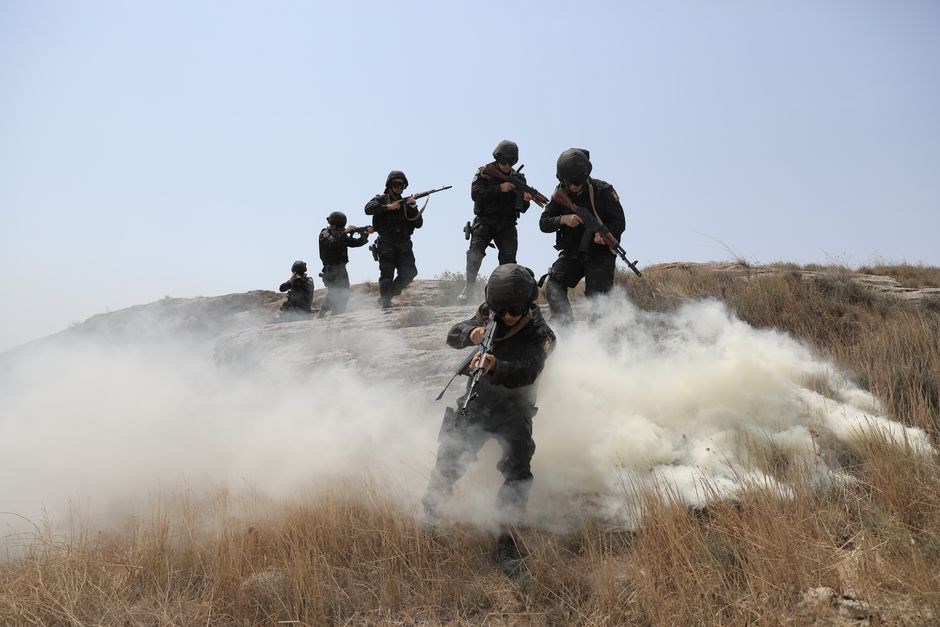
The PDF is organized into clear sections: an executive summary, detailed workout schedules, printable templates, nutrition guidelines and recovery protocols. Each page features concise tables, visual diagrams, and progress trackers to streamline training and ensure consistency. All modules ready
Layout and Navigation
Designed for elite readiness, the PDF’s layout mirrors a military training manual A top‑level table of contents links each chapter—introduction,core workouts,nutrition,recovery—so users can jump instantly Each page uses a two‑column grid: the left column lists the workout routine; the right column shows a diagram or brief note. This side‑by‑side format keeps the user focused without flipping pages Navigation is streamlined with a persistent header displaying the current chapter and page number, and a sticky footer offering quick links to previous and next pages Interactive checkboxes allow marking completed sets directly in the document, while printable checklists available offline use.The design uses a consistent color scheme—navy headings, white body text, and a contrasting accent color to enhance readability under various lighting conditions Fonts are chosen for legibility: a bold sans‑serif for headings and a clean serif for body text. Tables auto‑format to keep columns aligned regardless of content length. The PDF is optimized for both desktop and mobile viewing, with responsive scaling that preserves layout integrity. Embedded hyperlinks lead to instructional videos, supplementary reading, and community forums, creating a seamless bridge between the static document and dynamic training resources Users can export progress data to spreadsheets or mobile apps, ensuring integration with performance tracking tools and enabling data‑driven adjustments to training plans Stay sharp
Included Workouts and Templates
Our PDF features a modular collection of drills that cover every phase of conditioning. Each workout is broken into a warm‑up, core routine, and cool‑down, with optional variations for different fitness levels. The core routine includes high‑intensity interval circuits, weighted carries, and body‑weight strength sets that can be performed in the field or at a home gym. Special‑forces conditioning. high‑intensity interval circuits. and explosive power drills
For each exercise, the PDF provides a detailed schematic, recommended repetitions, and a progression chart that tracks performance over time. Templates are available in printable format, allowing users to log sets, reps, and personal notes. A weekly schedule template outlines daily focus areas—cardio, strength, mobility—so trainees can maintain balanced progress.
Additionally, a monthly assessment sheet captures key metrics such as 1‑RM, run time, and flexibility scores, enabling objective evaluation of gains. All templates are designed with a clean, military‑style layout, featuring bold headings, numbered steps, and shaded cells for easy data entry. The PDF also includes a quick‑reference cheat sheet that summarizes core exercises, proper form cues, and common pitfalls, ensuring safe execution even under stress.
The PDF’s design emphasizes clarity, with each template labeled, sections, and a progress tracker that highlights improvements week by week. Users can print or export data, integration into training logs and coaching reviews!!!
Cardio and Endurance Training
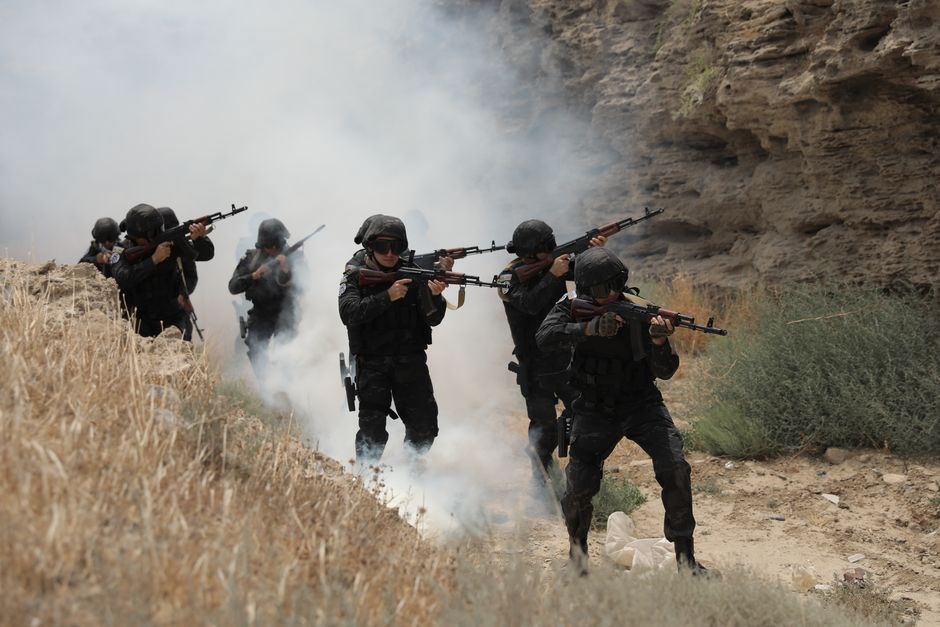
Our PDF outlines interval sprints, tempo runs, obstacle‑style circuits. Each session includes pacing charts, distance goals, recovery guidelines. The plan emphasizes progressive overload, ensuring steady gains in VO₂ max and stamina for field missions. Go! Fit.
High‑Intensity Interval Training (HIIT)
Our special forces workout plan PDF features a dynamic HIIT module designed for rapid conditioning and battlefield readiness. Each session blends sprint bursts, body‑weight circuits, and resistance intervals to elevate heart rate, boost anaerobic capacity, and sharpen neuromuscular coordination. The PDF provides detailed timing charts, progressive load tables, and recovery cues to ensure optimal adaptation while preventing overtraining. Key elements include: The PDF also includes a customizable pacing guide that allows trainees to adjust interval durations based on field conditions, ensuring that each workout remains relevant to mission‑specific demands. Additionally, it offers guidance on nutrition timing and hydration strategies to maximize performance during prolonged fast!!

- Structured 30‑second sprint followed by 60‑second active recovery, scaled to individual fitness levels.
- Integrated functional movements—burpee, box jump, kettlebell swing—to mimic combat scenarios.
- Progressive overload guidelines: increase sprint duration or add weighted vests every two weeks.
- Recovery protocols: dynamic stretching, foam rolling, and hydration reminders after each block.
- Performance tracking sheets to log times, repetitions, and perceived exertion for continuous improvement.
By following this HIIT framework, trainees develop explosive power, cardiovascular resilience, and mental toughness—critical attributes for special operations forces.
Long‑Distance Runs and Timed Drills

Our special forces workout plan PDF dedicates a comprehensive module to long‑distance runs and timed drills, essential for building the endurance required in extended operations. The PDF outlines progressive mileage plans that start at 10 km and scale to 30 km over eight weeks, incorporating interval pacing, tempo runs, and back‑to‑back day sessions to simulate combat fatigue.
- Progressive mileage: 10 km, 12 km, 15 km, 20 km, 25 km, 30 km.
- Interval structure: 5 × 1 km at 90 % effort with 3 min recovery, followed by a 5 km steady‑state run.
- Tempo runs: 8 km at 80 % effort, focusing on lactate threshold.
- Back‑to‑back days: 12 km in the morning, 8 km in the evening, to train recovery under load.
Timed drills are integrated to sharpen pacing precision. Each drill includes a 5 km time trial, a 10 km time trial, and a 15 km time trial, with performance metrics recorded in the PDF’s log sheets. The drills emphasize breathing control, efficient stride mechanics, and mental focus, with the PDF providing cue cards for in‑run mental checks.
Recovery protocols accompany every long‑run session. The PDF recommends a 10‑minute cool‑down jog, followed by static stretching of the hamstrings calves and hip flexors. Foam rolling and hydration guidelines are listed to accelerate glycogen replenishment and reduce DOMS. By adhering to this long‑distance framework, trainees develop the aerobic base, mental resilience, and stamina necessary for special operations missions.
Strength and Conditioning
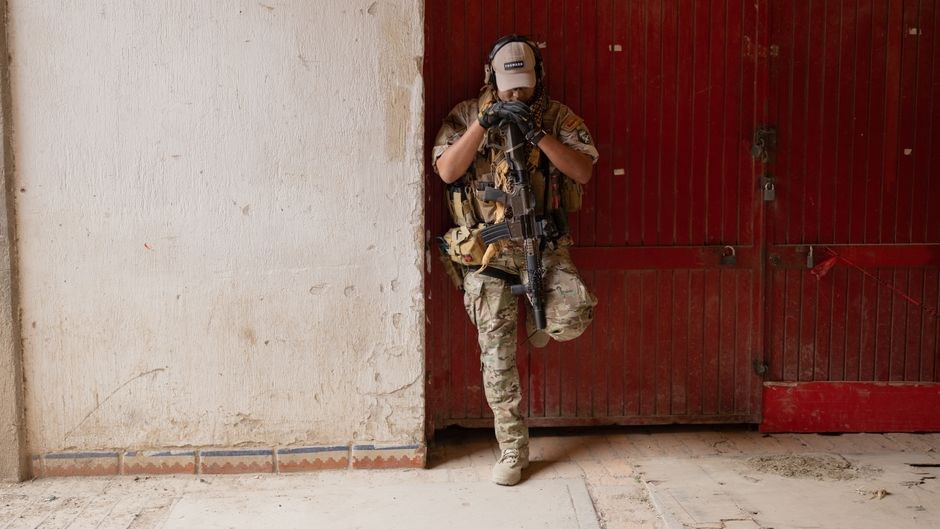
Our PDF outlines a 12‑week program featuring bodyweight circuits, weighted sled pulls, and plyometric drills. Each week escalates load, ensuring progressive overload while maintaining functional movement patterns critical for field operations. Core power daily!
Bodyweight and Functional Movements
In the special forces workout plan PDF, the bodyweight and functional movements section is designed to build raw strength, stability, and mobility without the need for heavy equipment. The program incorporates a series of progressive exercises such as pistol squats, handstand push‑ups, and weighted pull‑ups that mimic combat scenarios, ensuring that every rep translates to real‑world performance. Each movement is broken down into clear cueing, tempo guidelines, and optional variations for beginners and advanced operators alike. The PDF also includes a weekly progression chart that tracks volume, intensity, and recovery, allowing trainees to adjust load based on fatigue and mission demands. Core activation drills, like plank variations, hollow body holds, are interspersed to reinforce spinal stability, a critical factor for carrying heavy gear over uneven terrain. Additionally, the plan incorporates functional mobility drills—hip circles, ankle rolls, and thoracic rotations to prevent injury and maintain range of motion during prolonged operations. By integrating these bodyweight routines into daily training, operators develop a resilient foundation that supports explosive power, rapid decision‑making, and sustained endurance on the field. The PDF’s layout is user‑friendly, featuring print checklists, progress trackers, fast links for proper form. This approach ensures every operator can build the functional strength necessary for elite performance. Routines are scalable for all fitness levels soon.
Weighted Circuit Training
In the special forces workout plan PDF, the weighted circuit training module is engineered to simulate the unpredictable load‑bearing demands of field operations. Each circuit blends compound lifts—deadlifts, cleans, thrusters—with high‑intensity body‑weight actions, creating a continuous stress cycle that pushes cardiovascular limits while preserving joint integrity. The PDF outlines a 5‑round structure: 45 seconds of work followed by 15 seconds of rest, repeated for 30 minutes. Within each round, operators perform a sequence of six exercises: barbell back squat, kettlebell swing, weighted pull‑up, medicine ball slam, sled push, and farmer’s carry. The program specifies progressive overload guidelines: increase the barbell load by 5 lb every two weeks, or add a 2‑lb plate to the kettlebell after mastering the swing. Rest intervals are calibrated to maintain lactate thresholds, ensuring the trainee remains in the anaerobic zone for maximum power output. The PDF also includes a “mission‑ready” modifier—operators can substitute a sandbag for the barbell to mimic improvised gear, or incorporate a weighted vest during the farmer’s carry to elevate core demand. Detailed cue sheets accompany each exercise, highlighting grip placement, spine alignment, and breathing patterns. A recovery tracker at the end of each session records heart rate, perceived exertion, and muscle soreness, allowing trainers to adjust load and prevent overtraining. By integrating this weighted circuit into a weekly schedule, operators develop explosive strength, muscular endurance, and mental resilience, all critical for high‑stakes operations. Optional sandbag circuits add realism simulate gear.!
Recovery and Mobility
Our PDF’s recovery section blends dynamic stretching, foam‑rolling routines, and active‑mobility drills to restore range and prevent injury. It features guided cooldowns, breathing cues, and a weekly rest‑day schedule, ensuring soldiers return sharper for the next mission. Core stability focus!!!
Stretching and Flexibility Routines
Our special forces workout plan PDF dedicates a full section to dynamic and static stretching, ensuring operatives maintain joint health and optimal performance. The routine starts with a 5‑minute warm‑up jog, then a series of mobility drills for hips, shoulders, and thoracic spine. Each movement pairs with a breathing cue to boost oxygen delivery and lower muscle tension.
Dynamic stretches include leg swings, arm circles, and hip circles, performed in controlled reps to widen range of motion while preserving stability. Static holds follow—pigeon pose for glute flexibility, seated forward fold for hamstrings, and shoulder stretch for rotator cuff resilience. Each hold lasts 30‑45 seconds, focusing on deep diaphragmatic breathing.
The PDF also offers a 10‑minute cool‑down sequence with foam‑rolling for quadriceps, calves, and upper back. Rolling is guided by a step‑by‑step visual aid, ensuring correct pressure. The final segment includes a guided meditation script, promoting mental recovery and stress reduction.

All stretches map to specific training phases: pre‑deployment, in‑field conditioning, and post‑mission recovery. The printable checklist lets soldiers log completion, track progress, and adjust intensity based on fatigue. By integrating these routines, the plan boosts longevity, injury prevention, and sustained high‑level performance.
Active Recovery and Rest Days
In the special forces workout plan PDF, active recovery and rest days are treated as essential components of a balanced training cycle. The guide recommends a structured 48‑hour window between high‑intensity sessions, during which soldiers engage in low‑impact activities such as light swimming, brisk walking, or low‑intensity cycling. These movements promote blood flow, facilitate lactate clearance, and reduce muscle soreness without compromising the stimulus needed for adaptation.
The guide includes a 20‑minute routine featuring dynamic hip flexor stretches, thoracic spine rotations, and scapular stability exercises. Each movement is accompanied by a cue for breath control and a recommended repetition count, ensuring that the athlete remains within a safe heart‑rate zone (50–60% of maximum).
By integrating active recovery and rest days, the special forces workout plan PDF helps maintain peak performance, prevent overtraining, and support long‑term resilience. The structured approach ensures that each training cycle ends with a period of regeneration, allowing soldiers to return to high‑intensity work refreshed and ready for the next challenge.
The PDF also recommends incorporating low‑intensity mobility drills such as ankle circles, wrist rolls, and hip openers to keep joints supple. A 10‑minute yoga flow can further enhance core stability and mental focus, ensuring soldiers are ready for the next operational phase.