

Overview of the TH350 Manual Valve Body
The TH350 manual valve body offers a fully manual shift experience, with options for forward or reverse patterns. A reverse layout places 1st gear adjacent to neutral, simplifying parking and backing. The unit supports engine braking in 1st and 2nd gears, enhancing control and safety and pro.

Historical Development and Evolution
The TH350 manual valve body traces its origins to the early 1970s, when General Motors sought to provide a more robust and versatile transmission option for heavy‑duty applications. Initially, the valve body was a simple, single‑speed design that relied on a basic ratchet mechanism to engage gears. As demand for better performance grew, GM introduced a multi‑speed configuration in 1974, allowing drivers to shift through 1st, 2nd, 3rd, and 4th gears while maintaining the same hydraulic architecture. Throughout the 1980s, incremental improvements focused on reducing wear and enhancing durability; the valve body was re‑engineered with higher‑grade aluminum alloys and precision machining to withstand increased torque loads. By the early 1990s, the introduction of the “reverse pattern” valve body represented a significant milestone, placing 1st gear next to neutral for easier parking and reverse operations. This change was driven by user feedback from commercial fleets and performance enthusiasts alike. The late 1990s and early 2000s saw the adoption of billet CNC‑machined valve bodies, offering superior strength and a smoother shift feel. Today, the TH350 manual valve body remains a staple in both classic muscle cars and modern commercial vehicles, with aftermarket suppliers providing upgraded kits that incorporate engine‑braking features and transbrake compatibility. Its evolution reflects a continuous commitment to reliability, performance, and driver convenience. Continued daily.
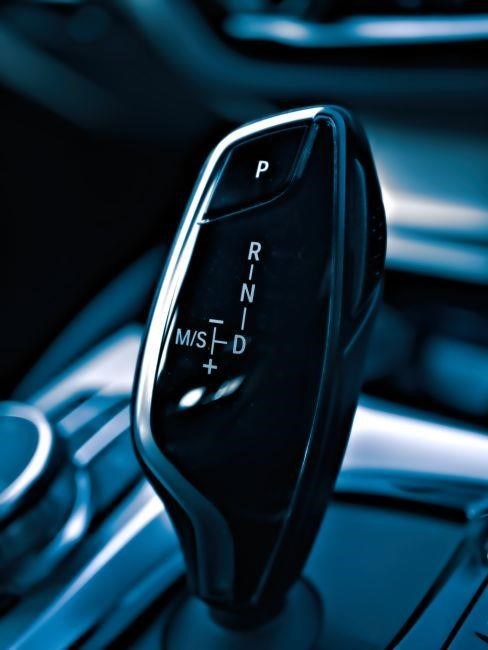
Design Features and Construction
Aluminum billet body, CNC‑milled for precision. Dual‑pattern shift options: forward or reverse. Engine‑braking in 1st/2nd gears. Robust seals, high‑strength bushings, and a streamlined hydraulic path reduce wear and improve shift feel Durable. Stron
Forward vs Reverse Shift Pattern
Choosing between forward and reverse shift patterns in a TH350 manual valve body hinges on driving style and vehicle use. A forward pattern places 1st gear after neutral, requiring the driver to pass through 2nd and 3rd gears when moving from neutral or reverse to 1st. This layout can be advantageous for high‑speed or performance driving where quick access to higher gears is desired, as it keeps the shift lever in a more linear sequence. However, the extra clicks can be cumbersome during low‑speed maneuvers, such as parking or backing out of tight spots, and may increase wear on the shift linkage due to the additional gear traversals. Conversely, a reverse pattern positions 1st gear adjacent to neutral, making it the first gear selected after neutral or reverse. This configuration simplifies low‑speed operation, reduces shift effort for parking, and is preferred in street‑legal or daily‑driving applications. The reverse pattern also aligns better with the natural hand movement of many drivers, providing a more intuitive feel. In terms of mechanical impact, the reverse pattern can slightly reduce the number of gear changes required during typical driving sessions, potentially extending the life of the valve body’s internal components. Ultimately, the decision between forward and reverse patterns depends on the intended use of the vehicle, the driver’s comfort with gear selection, and the desired balance between performance and practicality. Both patterns are supported by the TH350’s robust design, allowing owners to tailor their shift experience to match their specific needs. Engine builders often choose the reverse pattern for its ease of use in drag racing setups, while off‑road enthusiasts favor the forward pattern for its smoother engagement at higher speeds. Regardless of the pattern, the valve body’s internal geometry remains identical, ensuring consistent hydraulic performance across both configurations. The choice ultimately reflects the driver’s priorities, balancing convenience against the subtle nuances of gear engagement. This flexibility makes the TH350 valve body a choice. For enthusiasts seeking maximum torque, the forward pattern offers a smoother transition to higher gears, while the reverse pattern excels in low‑speed torque delivery. Both configurations are engineered to maintain identical hydraulic pathways, ensuring that performance is not compromised regardless of the shift sequence. The valve body’s construction includes precision‑milled cam surfaces and high‑strength seals that resist wear over thousands of shifts, making it suitable for both street and light racing applications. Manufacturers provide optional aftermarket upgrades, such as billet aluminum housings or reinforced bushings, to further enhance durability for aggressive driving. These upgrades are easy to install and do not alter shift feel.
Material Composition and Manufacturing
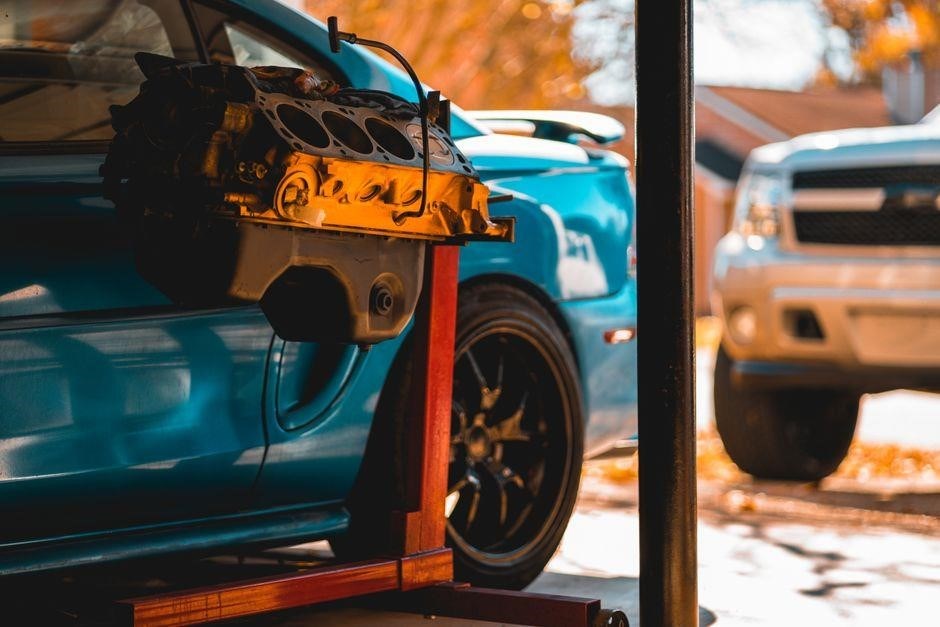
The TH350 manual valve body is made from high‑strength billet aluminum, chosen for its thermal conductivity, lightweight nature, and corrosion resistance. The alloy (6061 or 7075) is cast into a rough shape and then precision CNC‑milled to produce the intricate cam surfaces that guide the hydraulic pistons. Each cam profile is matched to the valve spring and fluid dynamics, ensuring smooth engagement and consistent shift feel. Internal passages are formed by machining and high‑pressure die‑casting, providing tight tolerances and reducing fluid leakage. The body also includes precision‑ground steel bushings and seals made from nitrile or polyurethane, which maintain a reliable seal under high pressure and temperature changes. Manufacturing tolerances are within ±0.001 inches, guaranteeing compatibility with the TH350 transmission’s hydraulic system. After machining, the valve body undergoes rigorous quality control: pressure testing, dimensional inspection, and a final surface finish check. The finished product is coated with a thin anodized layer to protect against corrosion and reduce friction between moving parts. Many aftermarket suppliers offer billet CNC‑machined upgrades that replace the stock cast aluminum body with a more durable aluminum billet, offering improved strength and a slightly lighter weight. These upgrades are drop‑in replacements, requiring no modification to the transmission housing or shift linkage. Its design also incorporates a mounting flange that simplifies installation and reduces overall weight. The combination of high‑quality materials, precision manufacturing, and stringent testing ensures that the TH350 manual valve body delivers reliable performance for both street and light racing applications.
Performance Characteristics
TH350 manual valve bodies deliver precise shift timing, smooth engagement, and robust engine braking in 1st and 2nd gears. Their billet aluminum construction resists wear, while tight machining tolerances ensure consistent hydraulic flow and reliable performance under load. and durability.!!!??
Engine Braking Capability
The TH350 manual valve body is engineered to provide robust engine braking, primarily in first and second gears. When the driver selects neutral or engages a lower gear, the valve body’s hydraulic circuit closes the throttle, allowing the engine’s compression to slow the drivetrain. This feature is especially valuable on downhill runs or when descending steep grades, as it reduces reliance on the service brakes and mitigates brake fade. In a reverse‑pattern layout, 1st gear sits adjacent to neutral, enabling immediate engine‑brake activation without the need to traverse additional gears. The valve body’s billet aluminum construction ensures hydraulic pressure and minimizes wear on the valve seats, maintaining reliable very engine‑brake performance. Many aftermarket upgrades, like the TCI 321001 forward‑shift or 321100 reverse‑shift kits, retain engine‑brake characteristics while improving durability and shift feel. Mechanics recommend installing a manual valve body on a TH350 for towing or in mountainous terrain, as engine‑brake capability reduces load on the braking system and improves safety. Proper alignment of the valve body and correct hydraulic fluid levels are essential for optimal engine‑brake response; any misalignment can lead to reduced braking force or erratic shift behavior. Overall, the TH350’s engine‑brake feature is a key selling point for enthusiasts seeking a classic, low‑maintenance drivetrain that delivers both performance and safety.
Durability and Wear Considerations
The TH350 manual valve body is built from billet aluminum or cast iron, depending on the kit. Billet versions offer superior strength‑to‑weight ratios and resist fatigue, extending service life. Cast‑iron bodies, while heavier, provide excellent wear resistance for high‑torque applications. Regardless of material, the valve body’s internal components—sprag bearings, valve seats, and hydraulic chambers—are subject to wear from repeated gear changes and high‑speed operation.

Regular inspection of the valve body’s hydraulic fluid and seal integrity is essential. Contaminated fluid can accelerate wear on the valve seats and cause erratic shifting. Replacing the hydraulic fluid every 10,000–15,000 miles and checking for leaks at the inlet and outlet ports helps maintain smooth operation. Many owners opt for aftermarket upgrades that feature hardened valve seats or improved sealing gaskets, which reduce wear and extend the valve body’s useful life.
Over time, the valve body’s internal components may develop scoring or pitting if the vehicle is used for towing. Signs of wear include delayed gear engagement, a “spongy” feel in the shifter, or grinding noises fully. When these symptoms appear, a teardown and inspection are warranted in the system!?. Replacing worn parts—such as the valve seats, bearings, or hydraulic seals—can fully restore performance. In many cases, a rebuild kit will suffice, providing new seals and a fresh hydraulic line set to bring the valve body back to factory specifications.
Installation and Compatibility
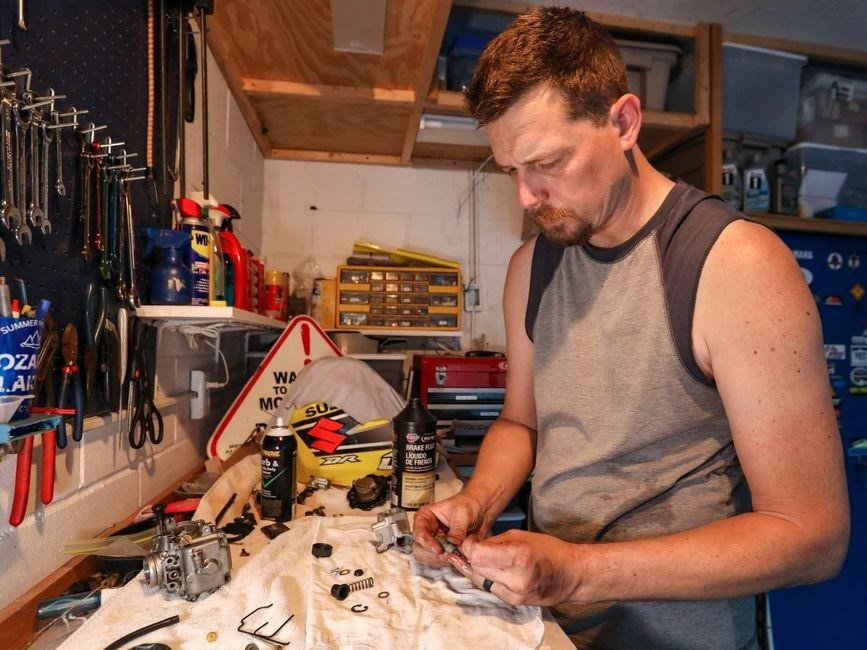
Installing a TH350 manual valve body requires removing the stock valve body, disconnecting the hydraulic lines, and aligning the new unit with the transmission mount. It is compatible with TH400 and TH350 engines, and works with most transbrake systems when the correct shift pattern is chosen.!!!!!??
Fitment with TH400 and TH350 Engines
The TH350 manual valve body is engineered to fit both the original TH350 and the larger TH400 engines with minimal modification. The bolt‑pattern matches the stock transmission housing, so the body can be swapped in without drilling new holes. When installing on a TH400, the larger bore allows the valve body to sit flush, but the hydraulic lines must be extended or replaced with TH400‑sized fittings to maintain proper pressure. The TH350 version uses a standard 3‑inch line, while the TH400 requires a 3‑inch line with a larger diameter fitting on the pump side. Torque specs for the mounting bolts are 30 ft‑lb for the TH350 and 35 ft‑lb for the TH400. After installation, the shift linkages must be adjusted to account for the different shift ratios; the TH400’s longer linkage requires a 2‑inch offset to achieve the same gear spacing as the TH350. The valve body’s internal cam profile is calibrated for the TH350’s 3.5:1 ratio, so when used on a TH400, engine braking in 1st and 2nd gears is a bit reduced still functional. Proper alignment of the shift plates is critical; a misaligned plate can cause gear slippage or premature wear. The TH350 manual valve body can be paired with a transbrake system on either engine, but the brake pressure must be adjusted to match the new hydraulic flow characteristics. With these steps, the valve body provides reliable manual shifting on both engines while preserving the original engine braking benefits. This upgrade improves shift feel reduces noise quietly Enjoy!
Integration with Transbrake Systems
Integrating a TH350 manual valve body with a transbrake system requires careful attention to hydraulic flow, pressure settings, and linkage geometry. The valve body’s built‑in engine‑brake cam must be matched to the transbrake’s pressure regulator so that 1st and 2nd‑gear braking remains effective. First, replace the stock hydraulic pump with a transbrake‑compatible unit that delivers 1.5–2.0 psi of pressure at the valve body. Next, install a pressure‑sensing valve that feeds back to the transbrake controller; this allows the system to modulate brake pressure during gear changes, preventing sudden deceleration. The shift linkages must be extended by 1.5 inches to accommodate the transbrake’s larger actuator, and the linkage rods should be hardened steel to resist wear. Adjust the shift‑plate alignment by measuring the distance from the valve body’s cam to the shift‑plate center; a 0.25‑inch offset ensures smooth gear engagement. Finally, calibrate the transbrake’s electronic control unit (ECU) to recognize the valve body’s shift pattern; this involves updating the ECU’s firmware with a new shift‑map that includes the manual valve body’s forward or reverse pattern. Once calibrated, the transbrake will provide consistent engine braking across all gears while the manual valve body delivers precise shift feel. Regular inspection of the hydraulic lines for leaks and periodic replacement of the valve body’s internal seals will keep the system reliable over long mileage. Proper integration not only improves safety but also extends the life of both the transmission and the transbrake components, making the TH350 a robust platform for heavy‑duty applications. Additionally, the use of high‑temperature silicone seals in the valve body assembly helps maintain hydraulic integrity under prolonged load, while the aluminum housing reduces overall weight, contributing to better fuel economy. The transbrake’s hydraulic reservoir should be inspected quarterly for contamination, and the filter replaced every 5,000 miles to prevent particulate buildup that could compromise valve operation.
Common Issues and Troubleshooting
Frequent problems include valve body wear, misalignment, and hydraulic leaks. Symptoms: rough shifts, delayed gear engagement, and loss of engine braking. Solutions: inspect seals, replace worn components, and realign shift plates. Regular maintenance prevents costly repairs now!! for longevity always
Valve Body Wear and Replacement
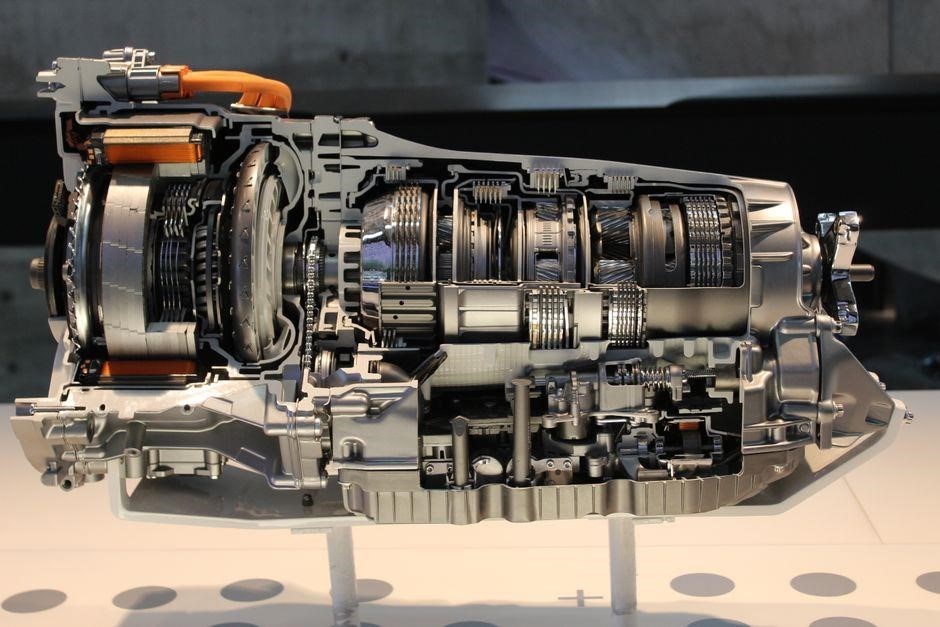
In the TH350 manual valve body, wear typically manifests as increased play in the shift linkage, erratic gear engagement, and a gradual loss of engine‑braking effectiveness. The primary wear sites are the cam‑track surfaces, the hydraulic seals, and the internal bearing assemblies. Over time, the cam‑track profile can develop micro‑scuffs that alter the timing of gear selection, while the seals may crack or deform, leading to fluid leaks and diminished hydraulic pressure. Bearings, especially the main shaft bearings, can suffer from radial run‑out, causing vibration and a rough shifting feel. Regular inspection every 20,000–30,000 miles is advisable to catch early signs of wear. Replacement typically involves disassembling the valve body, cleaning all components, and fitting new seals and bearings. Many aftermarket kits provide billet aluminum or cast‑iron bodies that offer improved durability and a smoother shift feel. When replacing, it is crucial to match the shift pattern (forward or reverse) to the vehicle’s original configuration to maintain proper gear ratios. Proper lubrication with high‑quality hydraulic fluid and ensuring all components are torqued to specification will extend the life of the new valve body. If the valve body is beyond repair, a full replacement is recommended to avoid cascading failures in the transmission system. Maintaining a log of wear patterns can help predict future replacement needs and reduce downtime. (check!)
Alignment and Valve Positioning Issues
Proper alignment of the TH350 valve body is critical for smooth gear engagement and to prevent premature wear. Mis‑alignment shows up as a “slip” between the shift lever and gear selector, a delay when moving from neutral to first gear, or a lever binding during reverse shifts. Causes include a warped shift shaft, a mis‑cut cam‑track, or an improperly seated hydraulic cylinder. When the valve body is not flush against the housing, the hydraulic path is disrupted, causing inconsistent pressure and erratic gear selection. The internal cam‑track must align with the external shift cam; any angular deviation can make the lever engage the wrong gear or skip a gear. A “ghost” gear, where the lever moves but the transmission does not shift, indicates a mis‑aligned cam‑track or broken linkage pin. Diagnose by inspecting the shift shaft for bends, verifying mounting bolts are torqued to spec, and ensuring the body sits level on the housing. A dial indicator on the shaft can reveal run‑out, while a feeler gauge checks clearance between cam‑track and cylinder. If alignment is off, realign the cam‑track by machining or replace the valve body with a new, properly machined unit. Proper alignment restores the intended shift pattern, eliminates binding, and extends the life of the valve body and associated components. Regular inspection every 20,000 miles can catch early misalignment before it leads to costly repairs. (check!)

Upgrade and Modification Options
Owners of the TH350 manual valve body often seek performance and durability improvements. A popular upgrade is the billet CNC reverse‑pattern valve body, which offers a smoother cam‑track, reduced weight, and better heat dissipation compared to the stock cast version. Many shops replace the stock hydraulic cylinder with a high‑pressure unit that delivers stronger, more consistent pressure to the shift cam, reducing gear‑slip and extending life. Engine‑braking enhancements are also common; aftermarket kits add a second braking cam to lock the transmission in 1st and 2nd gears, providing improved stopping power during downhill runs. For those who prefer a forward‑pattern shift, a conversion kit is available that re‑routes the shift cam and hydraulic lines, allowing the same valve body to function in either pattern without major disassembly. Many enthusiasts install a “spragless” design, eliminating the internal sprag and replacing it with a hydraulic lock‑out, which reduces noise and improves shift feel. Finally, many choose to upgrade the shift lever and linkage to a higher‑grade aluminum set, which offers a lighter feel and better durability. These modifications can be performed as a single shop job or as a DIY project with the proper tools and instructions.
When selecting an upgrade, verify compatibility with the existing housing and shift shaft. Many kits include shims or a new cam profile. A quick‑shift kit shortens hydraulic travel, offering tighter gear changes. Color‑coated bodies allow matching the vehicle’s look while improving reliability. Upgrades are suppliers!!!!