
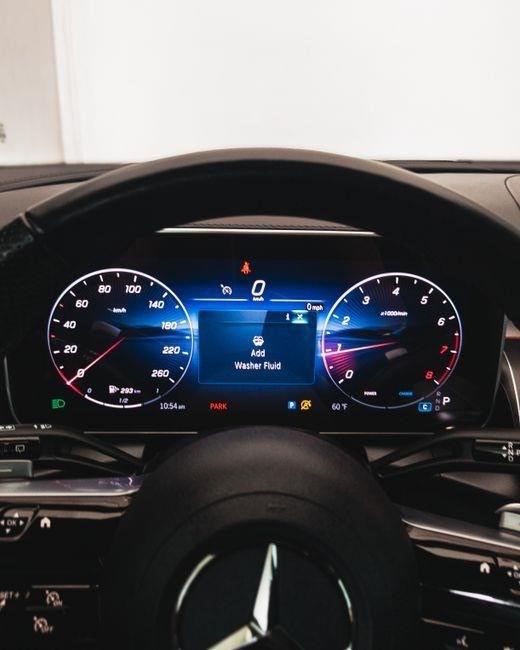
When an adblue system fault see owners manual mercedes warning lights up‚ it signals potential SCR issues. Drivers should first check the AdBlue level‚ then consult the vehicle’s owner’s manual for troubleshooting steps and recommended actions before calling a dealer. Check fuel filter and confirm no clogging.!!

Understanding the P13DF09 Fault Code
The P13DF09 fault code is a diagnostic trouble code that indicates a malfunction within the vehicle’s Selective Catalytic Reduction (SCR) system‚ specifically related to the AdBlue injection process. When this code is triggered‚ the engine control unit (ECU) has detected an irregularity in the AdBlue flow‚ pressure‚ or temperature parameters that fall outside the manufacturer’s specified thresholds. Common triggers include a low AdBlue reservoir level‚ a clogged or damaged injection pump‚ sensor misreading‚ or a vacuum leak affecting the pressure regulator. The code is often accompanied by a dashboard warning light and may also prompt a “Check AdBlue” message that advises the driver to consult the owner’s manual for detailed troubleshooting steps. The manual typically outlines a sequence of checks: verify the AdBlue tank for proper fluid quantity and purity‚ inspect the injection pump for mechanical integrity‚ and confirm that the pressure sensor is functioning correctly. It also recommends using a diagnostic scan tool to read live data streams‚ which can pinpoint whether the fault originates from the pump‚ the sensor‚ or the ECU’s logic. If the fault persists after basic checks‚ the manual advises scheduling a service appointment with a certified Mercedes-Benz technician‚ as more advanced diagnostics or component replacements may be required. Proper handling of the P13DF09 code is essential because unresolved SCR faults can lead to increased emissions‚ reduced fuel efficiency‚ and potential engine shutdown if the system fails to meet regulatory standards.
The manual specifies AdBlue concentration 32.5–35%. A pressure gauge checks injector pressure (~70 bar). Reset the fault only after fixing the root cause‚ recur

Common AdBlue Error Messages and Warnings
The most frequent indicators of an adblue system fault see owners manual mercedes include a flashing or steady “Check AdBlue” icon‚ a warning light labeled “SCR” or “AdBlue‚” and a diagnostic trouble code such as P13DF09 or P13DF07. When the system detects low fluid volume‚ it may display a “Low AdBlue” message‚ prompting the driver to refill the reservoir. A “Contamination Detected” alert signals that the AdBlue has degraded or been contaminated‚ which can clog the injector and cause the ECU to trigger a fault. Some models also show a “Pressure Sensor Fault” warning if the pressure transducer reports values outside the acceptable range. In addition‚ a “Temperature Sensor Fault” may appear if the AdBlue temperature sensor reads anomalous values‚ indicating a potential sensor failure or wiring issue. In some cases‚ a “Check Engine” light may also illuminate‚ indicating a broader emissions system fault. The owner’s manual typically advises checking the fluid level‚ inspecting the injection pump‚ and verifying sensor connections before proceeding to a dealership. If the warning persists after a refill‚ the manual recommends using an OBD‑II scan tool to read live data and confirm whether the fault originates from the pump‚ sensor‚ or ECU logic. Properly addressing these alerts can prevent engine performance loss‚ increased emissions‚ and potential shutdowns during extended operation. The manual also cautions against ignoring the warning‚ as unresolved issues may lead to higher repair costs and reduced vehicle reliability. Follow to avoid expensive repairs.

Diagnostic Steps and Tools
Begin by inspecting the AdBlue level and checking for leaks. Use an OBD‑II scanner to read live data and fault codes like P13DF09. Verify sensor voltages with a multimeter‚ and check injector operation with a pressure gauge. Follow the owner’s manual for reset procedures. More. Info.

Consulting the Owner’s Manual for AdBlue Guidance
When an adblue system fault see owners manual mercedes warning appears‚ the first step is to consult the vehicle’s owner’s manual. The manual provides a step‑by‑step procedure for checking the AdBlue tank level‚ inspecting the fill cap‚ and verifying that the correct AdBlue grade is used. It also lists the recommended service intervals for the SCR system and the proper procedure for resetting the fault code after a refill. The manual typically includes a troubleshooting flowchart that directs the owner to check the following items: the AdBlue level sensor‚ the injector pressure‚ the waste‑gate valve‚ and the catalytic converter. If the manual indicates that the fault code persists after a refill‚ it advises contacting a certified Mercedes‑Benz dealer for a diagnostic scan. The manual also warns that using a non‑Mercedes‑approved AdBlue can cause contamination and trigger additional fault codes such as P13DF09. It recommends using only the specified AdBlue purity level and storing the fluid in a sealed container to prevent evaporation. The owner’s manual further explains that the warning light will remain illuminated until the fault is cleared by a scan tool or a reset procedure described in the manual. It also details the steps for a manual reset: disconnect the battery for five minutes‚ reconnect‚ and then use a diagnostic tool to clear the code. The manual stresses the importance of following the manufacturer’s guidelines to avoid voiding the warranty. By following the owner’s manual instructions‚ owners can often resolve minor AdBlue issues without professional help‚ saving time and cost. If the problem remains‚ the manual directs the owner to schedule a service appointment with an authorized Mercedes‑Benz service center. The manual also includes a list of common causes for AdBlue faults‚ such as low fluid level‚ sensor failure‚ or contamination‚ and suggests specific actions for each scenario. Follow these steps to keep your vehicle compliant and safe.
Interpreting the adblue system fault see owners manual mercedes Warning
adblue system fault see owners manual mercedes warning is a diagnostic alert that indicates a malfunction within the selective catalytic reduction (SCR) system. When the warning light illuminates‚ the vehicle’s on‑board computer has detected an abnormal condition such as low AdBlue level‚ injector blockage‚ or sensor fault. The warning is accompanied by a specific fault code (e.g.‚ P13DF09) that can be read with an OBD‑II scanner. A low fluid level triggers a “Check AdBlue” message‚ while a sensor fault may display a “AdBlue system fault” icon. The warning message also instructs the driver to consult the owner’s manual for recommended actions. The manual details the steps to verify the fluid level‚ inspect the fill cap for leaks‚ and confirm the correct AdBlue grade is used. It also explains that the warning will persist until the fault is cleared either by refilling the tank or by resetting the code with a diagnostic tool. If the warning remains after a refill‚ it indicates a deeper issue such as a clogged injector or a faulty pressure sensor. The manual advises contacting a certified Mercedes‑Benz dealer for further diagnosis and repair. Following the manual’s guidance ensures compliance with emissions regulations and prevents potential damage to the SCR system. The warning serves as a reminder that maintaining proper AdBlue levels and system integrity is essential for vehicle performance and environmental compliance. If the warning persists‚ it is advisable to schedule a service appointment promptly‚ as prolonged operation under fault conditions can lead to increased emissions and potential engine damage. Additionally‚ the manual highlights that using non‑Mercedes approved AdBlue can cause contamination‚ leading to further fault codes and reduced SCR efficiency. Regular monitoring of the dashboard indicator and adherence to the recommended refill intervals will help avoid unexpected service visits and maintain optimal vehicle performance. Finally‚ remember that the warning light will only turn off after the fault code is cleared by a certified diagnostic tool‚ not simply after refilling the tank. This ensures that the system has been fully verified and the fault has been resolved before normal operation resumes. Owners should also note that the warning light may remain on for a few minutes after the fault is cleared‚ as system requires period before operation resumes.
Common Causes of AdBlue Faults
The most frequent triggers for an adblue system fault see owners manual mercedes warning are rooted in fluid management and component integrity. A low or empty AdBlue tank immediately raises a “Check AdBlue” alert‚ while a clogged injector or a malfunctioning pressure sensor can generate a P13DF09 code. Contamination from improper AdBlue grades or foreign particles can corrode the SCR catalyst‚ leading to persistent fault messages. A damaged or leaking fill cap may allow air ingress‚ causing pressure drops that the system flags as a fault. Sensor drift or failure—particularly in the temperature or flow sensors—also prompts the warning light. Pump wear or blockage can prevent adequate fluid delivery‚ and software glitches in the engine control unit may misinterpret sensor data‚ falsely triggering the fault. Additionally‚ DPF or EGR malfunctions can indirectly affect the AdBlue system by altering exhaust temperatures and flow patterns‚ which the SCR unit monitors. Regular inspection of the fluid level‚ verification of the correct AdBlue specification‚ and timely replacement of worn injectors or sensors are essential preventive measures. When a fault appears‚ consult the owner’s manual for specific reset procedures and consider a diagnostic scan to isolate the exact component failure before proceeding with repairs. In many instances‚ the fault originates from a faulty AdBlue pump seal‚ which can cause intermittent pressure loss and trigger the warning. Moreover‚ extreme temperature variations can affect sensor accuracy‚ leading to false positives. Check manual now!!!

Effect of Low AdBlue Levels and Contamination
Low AdBlue levels trigger the system fault see owners manual mercedes warning‚ as the SCR unit requires a minimum pressure to operate efficiently. When the tank dips below the threshold‚ the pressure sensor reports a drop‚ causing the ECU to flag a fault. Contamination—whether from improper AdBlue grades‚ water ingress‚ or particulate matter—can clog the injector or damage the catalyst. This leads to incomplete NOx reduction‚ forcing the system to shut down to protect the engine. The manual advises checking the fluid level‚ inspecting the fill cap for leaks‚ and ensuring the correct AdBlue specification is used. If contamination is suspected‚ a flush of the system may be necessary. Replacing the injector or catalyst may also be required. The fault message will persist until the fluid is refilled and the system is reset. The manual also outlines a step‑by‑step reset procedure using the vehicle’s menu or an OBD‑II scanner. Failure to address low levels or contamination can result in a permanent DPF‑clog warning‚ reduced fuel economy‚ and increased emissions. Always refer to the owners manual for the exact threshold values and recommended cleaning intervals. If the problem recurs‚ contact a dealer for a thorough diagnostic and possible component replacement. The key takeaway is that low AdBlue levels and contamination are the most common causes of the adblue system fault see owners manual mercedes alert‚ and prompt action can prevent further damage. The vehicle’s diagnostic system logs the fault code‚ which can be cleared only after the fluid level is restored and restart.
Sensor and Pump Issues in the AdBlue System
When the adblue system fault see owners manual mercedes appears‚ a common culprit is a malfunctioning sensor or pump. The pressure sensor monitors the fluid pressure in the SCR unit; if it reads too low or erratic‚ the ECU flags a fault. A faulty pump can fail to maintain the required 12‑15 bar pressure‚ especially after prolonged idling or high‑load operation. The manual recommends inspecting the pressure sensor wiring for corrosion‚ ensuring the connector is secure‚ and checking the pump for mechanical wear or blockage. A diagnostic scan will often return a P13DF09 code‚ indicating a sensor or pump issue. Replacing the sensor usually involves disconnecting the battery‚ removing the sensor housing‚ and installing a new unit with the correct calibration. Pump replacement is more involved: the pump is located behind the rear axle‚ requires removal of the rear bumper‚ and must be re‑installed with a new seal. After replacement‚ the system must be reset via the vehicle’s menu or an OBD‑II scanner. If the fault persists‚ the issue may be a faulty injector or a clogged filter‚ which also affects pump performance. The manual advises a thorough cleaning of the injector and checking for any debris in the filter. Regular maintenance‚ such as scheduled pump checks and sensor calibrations‚ can prevent these issues. If the fault remains after all checks‚ a dealer should perform a full SCR system diagnostic‚ as the fault may be related to the DPF or EGR system‚ which can also influence pump operation. In addition‚ the manual specifies that the pump’s thermal expansion can cause intermittent pressure drops during rapid temperature changes‚ and that a high‑temperature sensor may misread the fluid temperature‚ leading to premature shutdown of the SCR cycle. Therefore‚ technicians should verify the temperature sensor’s output against a calibrated thermometer and replace it if the readings deviate by more than ±5°C. A comprehensive diagnostic should include a pressure test at idle and under load‚ a flow test to confirm the pump’s capacity‚ and a visual inspection of the injector for soot buildup. Only after all these steps can the fault be considered resolved‚ and the system reset will clear the error code‚ restoring normal operation and preventing further emissions penalties.
DPF and EGR Related Faults Affecting AdBlue

When the adblue system fault see owners manual mercedes warning lights up‚ the root cause is often not the SCR unit itself but upstream emissions components. A DPF that has reached its soot capacity reduces exhaust back‑pressure‚ forcing the SCR pump to work harder; The ECU senses the low pressure and may flag an AdBlue fault even though the fluid level is adequate. The owners manual lists a diagnostic routine: first‚ check the DPF status via the vehicle’s menu; a “DPF needs regeneration” or “DPF clogged” message is a common precursor. Performing a full regeneration cycle often clears the fault‚ but if the fault persists‚ the DPF may be physically damaged and require replacement.
Similarly‚ the EGR valve can influence AdBlue operation. An EGR valve stuck open lowers exhaust temperature‚ which the ECU interprets as a need to reduce or suspend SCR activity. The manual advises inspecting the EGR valve for soot‚ cleaning it‚ or replacing it if it fails a purge test. A faulty EGR sensor that misreads exhaust temperature can also trigger an AdBlue fault. The diagnostic procedure involves running an EGR purge test; if the valve does not return to the closed position‚ replacement is necessary. After each repair‚ the fault must be cleared via the service menu or an OBD‑II scanner.
In some cases‚ a combination of DPF and EGR faults can lead to a persistent AdBlue error. The manual warns that prolonged operation with a clogged DPF can damage the SCR catalyst‚ causing a permanent fault that cannot be resolved by a simple reset. Regular maintenance—periodic DPF regeneration‚ monitoring of the pressure sensor‚ and cleaning of the EGR valve—prevents these issues. If the fault remains after addressing DPF and EGR‚ the problem likely lies within the SCR unit itself‚ and dealer assistance is recommended. The owners manual stresses that resolving DPF and EGR faults first is essential to avoid unnecessary replacement of the SCR pump or sensor.
Additional diagnostic codes that often accompany an AdBlue fault include P1311 (SCR pump failure)‚ P1312 (SCR sensor failure)‚ and P1313 (SCR pressure sensor failure). The owners manual recommends using an OBD‑II scanner to read these codes and cross‑reference them with the DPF and EGR status. If the DPF pressure sensor reads below 0.5 bar during a test‚ the ECU will disable SCR injection to protect the catalyst. In such instances‚ the manual advises performing a pressure test with a calibrated gauge to confirm the sensor’s accuracy. If the sensor is confirmed faulty‚ it should be replaced and the system reset. The manual also notes that a high exhaust temperature (>350 °C) can cause the EGR valve to overheat‚ leading to a stuck‑open condition. Replacing the EGR valve and installing a high‑temperature sensor can mitigate this risk. Finally‚ the manual highlights that a low AdBlue level combined with a DPF or EGR fault can trigger a “Check AdBlue” warning even if the fluid is sufficient‚ because the ECU may suspend SCR operation entirely. In such scenarios‚ the owner should first resolve the DPF/EGR issue before refilling AdBlue.
Remember to document all steps in the service log to aid future diagnostics.

Using OBD‑II Scan Tools for Accurate Diagnosis

When an adblue system fault see owners manual mercedes warning appears‚ the first step is to connect an OBD‑II scanner that supports Mercedes‑specific protocols. The scanner should read live data streams for the SCR pump‚ DPF pressure‚ and EGR status. A fault code such as P13DF09 is a generic AdBlue fault‚ but the live data will reveal whether the pump is delivering the correct volume‚ if the pressure sensor is reading within the 0.5‑1.5 bar range‚ or if the EGR valve is stuck open. The scanner can also run a “DPF regeneration” test; if the regeneration fails‚ the DPF is probably clogged‚ which can trigger an AdBlue fault. After clearing the fault code‚ the tool should be used to reset the “AdBlue” warning flag. If the warning returns‚ a deeper diagnostic is required. The owners manual advises that the scanner should be connected while the engine is warm‚ as temperature affects sensor readings. A calibrated OBD‑II tool can also perform a pressure test on the SCR pump‚ measuring the actual pressure delivered to the exhaust. A pressure below 0.5 bar indicates a pump failure‚ while a pressure above 1.5 bar suggests a blockage. The scanner can also read the “AdBlue purity” sensor; if the purity is below 99.5 %‚ the fluid may be contaminated‚ causing the fault. Finally‚ the owners manual states that if the scanner shows a “no communication” error with the AdBlue module‚ a wiring fault or a module failure is likely. In such cases‚ the vehicle should be taken to a certified Mercedes service center for further testing and potential module replacement. Using the OBD‑II scanner correctly ensures that the fault is accurately diagnosed and prevents unnecessary part replacements.
When the adblue system fault see owners manual mercedes warning lights‚ the first step is to verify the fluid level. Open the AdBlue tank‚ usually located under the rear seat or in the trunk‚ and check the gauge. If the level is below the minimum mark‚ refill with the correct grade (typically 99.5 % purity). Use a dedicated AdBlue injector to avoid contamination. After refilling‚ reset the fault by powering the vehicle off for at least 30 seconds‚ then restarting. If the warning persists‚ inspect the SCR pump and pressure sensor for leaks or blockages. A clogged pump can be cleaned by flushing with a certified cleaning solution; if the pump is damaged‚ replace it per the manufacturer’s service instructions. For sensor issues‚ test with a multimeter: the pressure sensor should read 0.5–1.5 bar at idle. Replace any sensor that falls outside this range. If the fault code remains‚ the issue may be with the EGR valve or DPF. A stuck EGR valve can be cleaned with a high‑pressure air jet or a clogged DPF requires a regeneration cycle or replacement. Finally‚ after all mechanical fixes‚ clear the fault code using an OBD‑II scanner that supports Mercedes diagnostics. The owners manual states that a successful reset will only occur if all related systems are functioning correctly. If the warning returns‚ the vehicle should be taken to an authorized service center for advanced diagnostics and potential module replacement. Always follow the specific steps outlined in the owners manual for your model year to avoid warranty voiding. Use only OEM fluid for best performance!
When to Seek Dealer Assistance and Warranty Coverage
When the adblue system fault see owners manual mercedes warning persists after a proper refill‚ sensor check‚ and reset‚ it is time to contact a certified dealer. The owners manual specifies that any fault code related to the SCR system‚ such as P13DF09‚ should be evaluated by a qualified technician. If the vehicle is still under warranty‚ the dealer can perform a comprehensive diagnostic using specialized tools and may replace defective components at no cost. For out‑of‑warranty vehicles‚ the manual recommends that owners document all maintenance steps and keep receipts for any parts replaced. The dealer will also verify that the AdBlue fluid used meets the required purity level and that the injection system is calibrated correctly. If the fault is caused by a defective pump‚ sensor‚ or electronic control unit‚ the warranty may cover the replacement of the entire module. However‚ if the issue is due to improper refilling or contamination‚ the warranty may not apply. Always refer to the specific warranty booklet for your model year to confirm coverage limits. In addition‚ the manual advises that owners should not attempt to bypass the warning light by resetting codes without addressing the root cause‚ as this can lead to further emissions system damage and potential legal penalties. Therefore‚ seek dealer assistance promptly to ensure compliance with emissions regulations and to maintain vehicle reliability. The dealer will also check the SCR injector for clogging and verify the AdBlue tank seal integrity to prevent future leaks for all cars!